
Operations management separates landscaping companies that scale successfully from those stuck at the same revenue level year after year. Without documented processes, every day becomes a scramble. Crews wait for direction, jobs run over on hours, quality varies, and business owners can't step away without everything falling apart.
Landscaping operations that work mean building systems that deliver consistent results without constant supervision. It's about creating structure around scheduling, crew management, quality control, and equipment maintenance so your landscaping business can handle more work without more chaos.
Why Operations Management Determines Growth
The gap between a $500k landscaping company and a $5 million operation is more complicated than buying more trucks. It's operational systems that scale without owner involvement in every decision.
Small landscaping businesses often run on informal procedures. This works until the business reaches around $1 million in revenue, when the informal approach breaks down. Here are some traits of a successful business:
-
Crew leaders who manage jobs independently
-
Documented processes that lead to consistent service
-
Scheduling systems that maximize productive hours
-
Quality control that catches problems before angry clients call
-
Equipment maintenance that prevents peak-season breakdowns
The Real Cost of Poor Operations
Poor operations directly impact profitability. Consider a crew spending an extra 30 minutes daily on unproductive tasks like disorganized loading, inefficient routing, and waiting for equipment. That's 2.5 hours weekly, or 125 hours per season per crew. That's thousands of annual dollars wasted.
Costs compound when operational issues affect quality.
-
Callbacks eat profitable hours fixing problems that should've been caught initially.
-
Equipment failures occur when maintenance is skipped during busy periods, resulting in expensive emergency repairs and lost productivity.
-
Employee turnover increases when crews feel disorganized and unsupported.
Landscaping companies with strong operational efficiency typically achieve profit margins north of 10%, while those with poor operations struggle to reach 10% despite working just as hard.
Building Crew Management Systems
The difference between high-functioning and low-functioning crews often comes down to management, not just hiring.
Developing Crew Leaders
One of the most important operational decisions is developing crew leaders who run jobs without constant supervision. These team members need training beyond technical landscaping services skills. They should be able to communicate with existing customers, solve problems independently, and hold their teams to high quality standards.
Many landscape business owners promote their best workers without providing proper training in customer communication, basic landscaping job costing, and decision-making authority. Successful landscaping businesses invest in crew leader development through regular training sessions, clear expectations, and support systems.
Daily Communication Systems
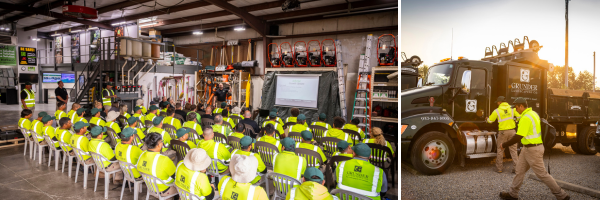
Clear customer communication prevents operational problems before they start. Morning briefings take 10-15 minutes, covering the day's schedule, special instructions, weather considerations, and safety reminders. End-of-day check-ins let crew leaders report completed projects, issues encountered, and next-day needs.
Performance Management
Track metrics that matter: labor hours versus estimates, quality scores, safety incidents, and customer satisfaction. Management software like Aspire helps landscaping businesses track job costing accurately, compare estimated versus actual hours, and identify which landscaping services consistently run over budget.
Performance-based incentives drive results when structured correctly. Productivity bonuses reward crew productivity and operational efficiency. Safety bonuses reinforce proper procedures. Client satisfaction bonuses tied to customer retention keep quality front of mind.
Scheduling and Route Optimization
Efficient routing is one of the highest-impact improvements most landscaping companies can make for operational excellence.
The Math of Route Density
A crew with scattered routes spending 30 minutes between each job loses three hours daily to drive time. Optimized routes in concentrated service areas, spending just 10 minutes between jobs, lose only one hour daily—creating two additional productive hours per crew.
Over a 25-week season, that's 250 additional productive hours per crew.
Building Route Density
Build route density within defined service areas rather than spreading too thin. This means sometimes declining work outside core areas, even when needing revenue. The strategy works because density reduces fuel costs, increases crew productivity, and improves customer relationships through familiarity with neighborhoods.
Business management software designed for the landscaping industry automates routing by considering geographic proximity, crew skills, equipment requirements, weather contingencies, and customer availability. The time saved on schedule management pays for the software investment quickly.
Quality Control Systems
Quality control protects reputation and reduces callbacks that kill profitability.
Simple Inspection Systems
Complex quality control systems fail because they're too unmanageable. Simple systems work better. Many successful landscaping companies have crew leaders take before-and-after photos of every job site.
This creates accountability, provides documentation for disputes, supplies training material for new employees, and gives marketing efforts content for digital marketing and professional website use. Regular job site inspections by operations managers reinforce quality standards without daily oversight.
Customer Feedback Loops
Post-service follow-ups via text or email ask simple questions about client satisfaction. These check-ins demonstrate responsiveness and identify small issues before they become problems affecting customer retention. Quick surveys catch minor concerns that clients might not call about but will mention in feedback.
Handling Callbacks Efficiently
Despite best efforts, callbacks happen. Many successful companies keep a small quality control crew or build callback time into schedules, preventing callbacks from disrupting work for other potential customers and existing customers. Quick callback response turns negative situations into opportunities demonstrating exceptional service recovery.
Equipment and Fleet Management
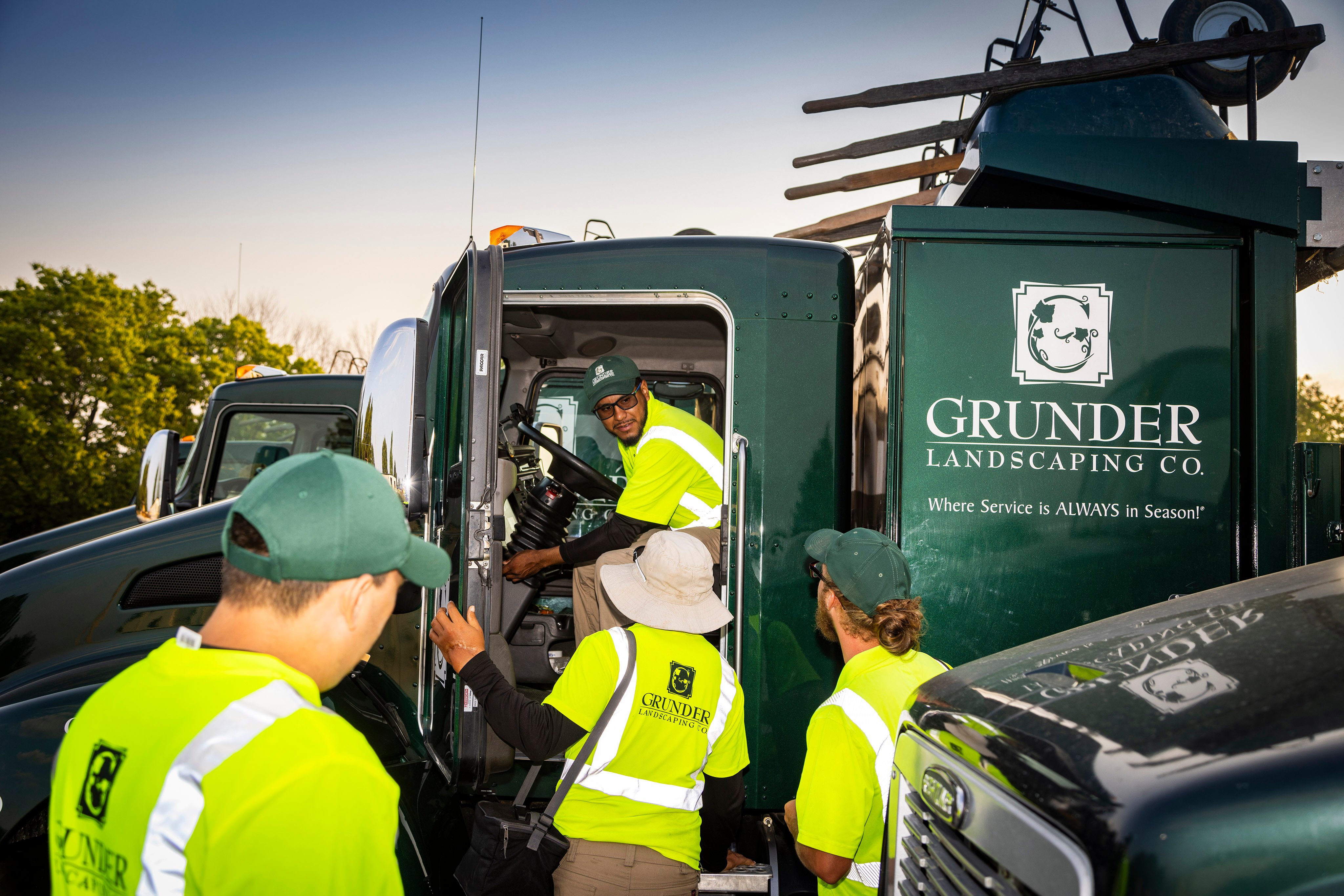
Equipment failures during peak season cost money through repairs, downtime, lost productivity, and schedule delays. Preventive equipment maintenance prevents most failures and extends equipment life.
Preventive Maintenance Schedules
Follow manufacturer recommendations but adapt to actual usage. Equipment used daily needs more frequent maintenance than weekly-used equipment. Schedule major maintenance during slow periods rather than peak season. For example, winter months are ideal for complete overhauls, minimizing downtime when every hour matters most.
Truck and Trailer Organization
Well-organized trucks save significant time. When crew members spend 10 minutes searching for tools versus one minute with standardized organization, time compounds over a season. Standardized truck organization with shadow boards, labeled compartments, and specific loading procedures means every crew knows exactly where everything belongs. Try color-coding your equipment to your trucks so you always know what goes where.
Standard Operating Procedures (SOP)
Documented processes ensure consistent quality regardless of which team member handles the work. Without standardized processes, quality depends entirely on who shows up.
Which Procedures to Document First
Start with procedures impacting quality or operational efficiency most: morning rollout, job site setup protocols, safety procedures for equipment operation, and customer communication standards.
Procedures should be simple enough for new employees to follow successfully. The goal is to create clarity about "how we do things here" for consistent results.
Making Procedures Work
Documentation alone doesn't change behavior. Successful landscaping businesses build procedures into comprehensive training programs, reference them during reviews, and update them when better methods emerge. Mobile access to procedures helps crew leaders reference them when questions arise on job sites.
Software and Technology Solutions
Implementing technology streamlines landscaping business operations when done strategically.
When to Move Beyond Spreadsheets
Spreadsheets work for small operations but become limiting around three to five crews, when scheduling complexity, job costing requirements, and communication needs exceed spreadsheet capabilities.
Landscape business management software like Aspire integrates customer relationship management, scheduling, job costing, invoicing, and financial management in one system. This integration eliminates duplicate data entry and ensures everyone works from the same information. Operations managers see crew schedules in real-time. Crew leaders update job progress from the field. Estimators access actual operational costs when pricing similar landscaping services.
The right software provides actionable insights: Which service offerings are most profitable? Which crews consistently complete work within estimates? Where are materials costs running over budget? Good software answers these questions quickly for informed decisions.
Mobile Tools and Time Tracking
Mobile apps let crew leaders access schedules, update job progress, capture photos, and use time tracking apps (reducing constant phone calls interrupting everyone's day). GPS tracking on vehicles provides operational visibility without micromanaging, helps monitor job progress, verifies arrival times if clients have questions, identifies routing inefficiencies, and improves security.
Managing Seasonal Operations and Cash Flow
The landscaping industry faces predictable seasonal challenges. Smart landscaping companies plan for fluctuations instead of just reacting.
Seasonal Cash Flow Management
Most revenue comes during peak lawn care and lawn maintenance seasons, while business operations expenses continue year-round. This reality kills unprepared companies. Set aside cash reserves during spring and summer peak periods to manage cash flow during slower winter months.
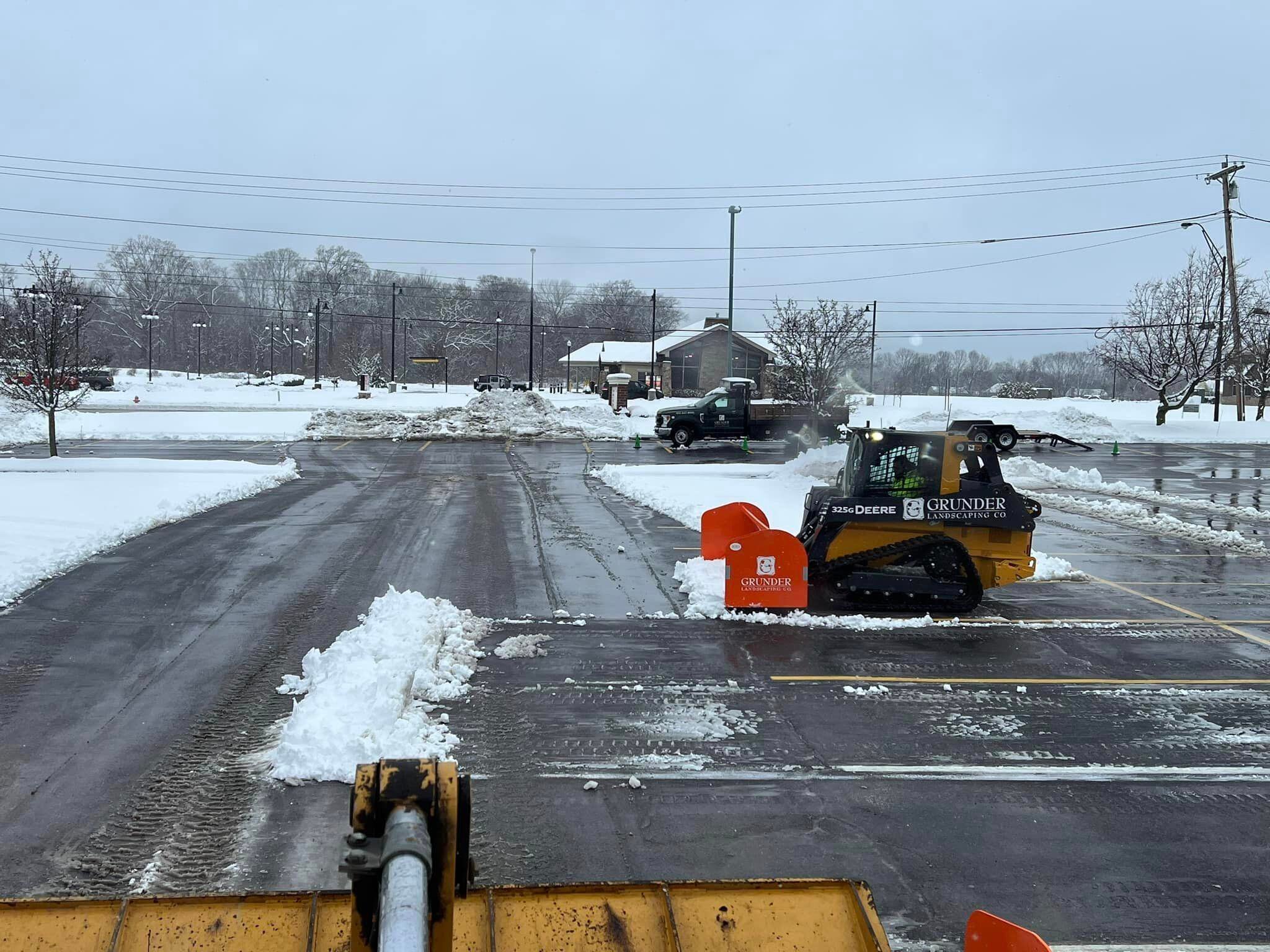
Many successful landscaping businesses add snow removal or other off-season landscaping services to stabilize revenue and maintain their existing customer base year-round. Diversifying service offerings helps minimize downtime and keeps trained existing employees working.
Financial Management and Operational Costs
Track operational costs carefully: labor, fuel costs, equipment maintenance, overhead costs, and materials. Understanding which landscaping services generate the best profit margins helps focus marketing strategy and resource allocation on your most profitable work.
Regular financial performance reviews identify trends early and support sustainable growth planning. Monitor cash flow weekly during peak season and monthly during slower periods to avoid cash crunches.
Building Systems That Support Growth
Operational excellence requires continuous improvement. As landscaping demand fluctuates and your landscaping business grows, systems must adapt. Regular reviews of standardized processes, training programs for new employees and existing team members, and investments in management software that streamlines operations all contribute to building a scalable landscaping company.
The goal isn't perfection, it's progress. Each improvement in operational efficiency compounds over time. Companies that consistently work to improve efficiency, improve customer satisfaction through consistent quality, and optimize routes gain competitive advantages that translate directly to better profit margins and sustainable growth.
Focus on building one system at a time. Start with the area causing the most pain (whether that's scheduling chaos, quality control issues, or equipment maintenance problems). Get that system working, then move to the next area. Over time, these individual systems create an operational foundation that supports growth without proportionally increasing stress.

About The Grow Group
The Grow Group helps landscaping business owners clarify their platform, grow their people, build their processes, and realize profits. Led by Marty Grunder, our team is actively involved in day-to-day business operations at Grunder Landscaping Co. in Dayton, Ohio.
We don't just share theories, we share tactics tested at a working landscaping company. Everything we teach about operations management has been implemented and refined through real-world use at Grunder Landscaping Co., which serves as our "living laboratory."
Want to see operational systems in action? Join us for a GLC Field Trip to tour our facility, watch our morning rollout, and meet team members who make these systems work. You'll see how we use software to manage scheduling, job costing, and crew management. Sign up for our weekly Great Idea to get free operations tips delivered to your inbox each Sunday.
Our programs help landscape professionals through ACE Peer Groups, connecting business owners with accountability partners, and the annual GROW! Conference bringing together ambitious professionals, and The Grow Show podcast delivering practical strategies for landscaping operations.