

11 Landscaping Business Tips That Will Help You Grow
Running a successful landscaping business isn't just about knowing how to maintain a perfect lawn. It's about mastering the business side as effectively as you've mastered the craft.
The difference between landscaping companies that thrive and those that struggle often comes down to having the right systems in place. That means tracking your numbers, building processes that scale, and making strategic decisions based on data. Let's get into some landscaping business tips that help you understand what matters.
Tip #1: Know Your Numbers or Lose Money
Most landscaping business owners know their revenue, but ask them about their actual profit margins on specific services, their labor hours per job, or their true overhead costs, and you'll get blank stares.
Here's what separates profitable businesses from those barely surviving: they know their job costs down to the dollar. Every lawn maintenance route, every landscape installation, every commercial job gets tracked. Not because they're obsessive, but because you can't fix what you can't measure.
Essential Metrics to Track
Start tracking these metrics immediately:
-
Labor hours per job type
-
Actual vs. estimated costs on every project
-
Profit margins by service category
-
Customer acquisition cost
-
Cash flow patterns throughout the season
-
Accounts receivable days (how long it takes customers to pay)
-
Equipment utilization and maintenance costs
Most landscaping businesses experience massive seasonal swings. Understanding your cash flow helps you plan for slow months instead of scrambling when revenue drops.
You don't need fancy software to track these metrics. Start with spreadsheets if that's what you have. What matters is that you commit to measuring them consistently and reviewing them with your team. As you grow, modern accounting tools that integrate with job tracking will help you monitor outstanding invoices and give you real-time visibility into your financial performance, but the commitment to tracking comes first.
Tip #2: Build Systems, Not Dependencies
Your landscaping company shouldn't fall apart when you take a day off. If you're the only person who knows how to estimate jobs, manage the schedule, or handle customer issues, you don't have a business - you have an expensive job.
Creating Standard Operating Procedures
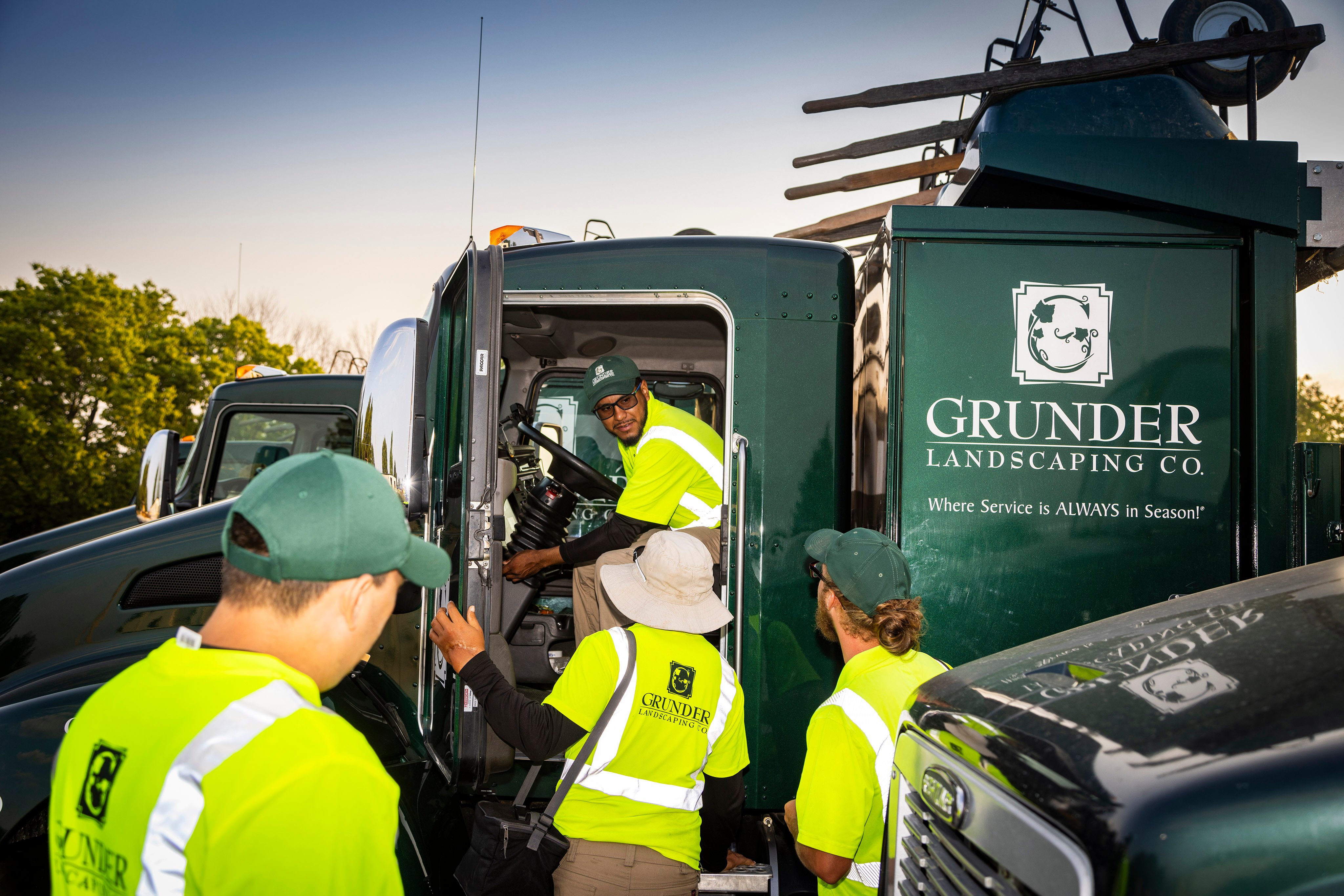
Document everything. Create standard operating procedures (SOPs) for common tasks: how to start each job site, quality standards, customer complaint handling, and when to escalate issues. Your team members need clear expectations, not vague instructions to "do good work."
Train your existing employees on these systems. Don't just hand them a manual and hope for the best. Walk through all landscaping operations, explain why each step matters, and give them opportunities to ask questions. The best landscaping businesses invest heavily in team training because poorly trained crews cost more in mistakes, rework, and lost customers than training ever will.
Tip #3: Implement a Marketing Strategy That Brings Real Customers
A landscaping marketing strategy should start with understanding where your customers actually are. The most profitable companies don't chase every lead - they focus on attracting customers who are profitable to serve, enjoyable to work with, and sustainable for long-term growth.
Effective marketing combines a strong digital foundation with traditional methods that still generate results.
Build a Professional Website First
Your website is the foundation of everything else. Most potential customers will judge your business within seconds based on what they see online.
A professional website needs to load quickly and work on mobile devices. Your site should include clear service descriptions, your service area, before-and-after project photos, and multiple ways to contact you. Every page needs an obvious call-to-action.
Skip the generic template sites. Invest in a website that showcases your work and makes it easy for customers to understand what you do and where you serve.
Traditional Marketing Still Works
Direct mail works when most landscaping businesses have given up on it. Target specific neighborhoods where you want route density. Vehicle branding turns your trucks into mobile advertisements while crews travel between jobs. Yard signs at active job sites show credibility and visibility that advertising can't buy.
Local Businesses Need Local SEO
When potential customers search for "landscaper near me," your business needs to show up. Your landscaping digital marketing strategy should include optimizing your Google Business Profile, getting consistent online reviews, and creating location-specific content.
Social Media
Post before-and-after photos from real projects and introduce your team so potential customers see the people behind your company. Social media advertising on Facebook and Instagram lets you target homeowners in specific neighborhoods by demographics and income. Visual ads showcasing project transformations generate leads from potential customers actively looking for services.
Email Marketing
Email marketing keeps you connected with past customers and nurtures relationships with prospects. Send seasonal reminders, share maintenance tips, and offer early booking discounts. A simple monthly newsletter maintains relationships and generates more business than hoping people remember you when they need landscaping services.
Tip #4: Focus on Service Offerings That Actually Make Money
New landscaping business owners make a common mistake: they try to offer everything immediately. They list lawn maintenance, design, hardscaping, irrigation, tree work, and snow removal on their website before they've successfully completed a single project in any category. While you might have the ability to figure those things out as you go, you won't grow as quickly if you don't have reliable services you know are profitable and provide income you can depend on.

Starting with Your Foundation Services
Start with landscaping services you can deliver consistently at a profit. Lawn care services and basic maintenance provide steady income while you learn business operations. Once you're profitable with core services, expand strategically based on what your customers actually need.
Analyze which services generate the best profit margins. Some landscaping services look profitable on paper but require expensive equipment or more labor hours than estimated. Track actual performance for each service category.
Tip #5: Define Your Core Values and Actually Live Them
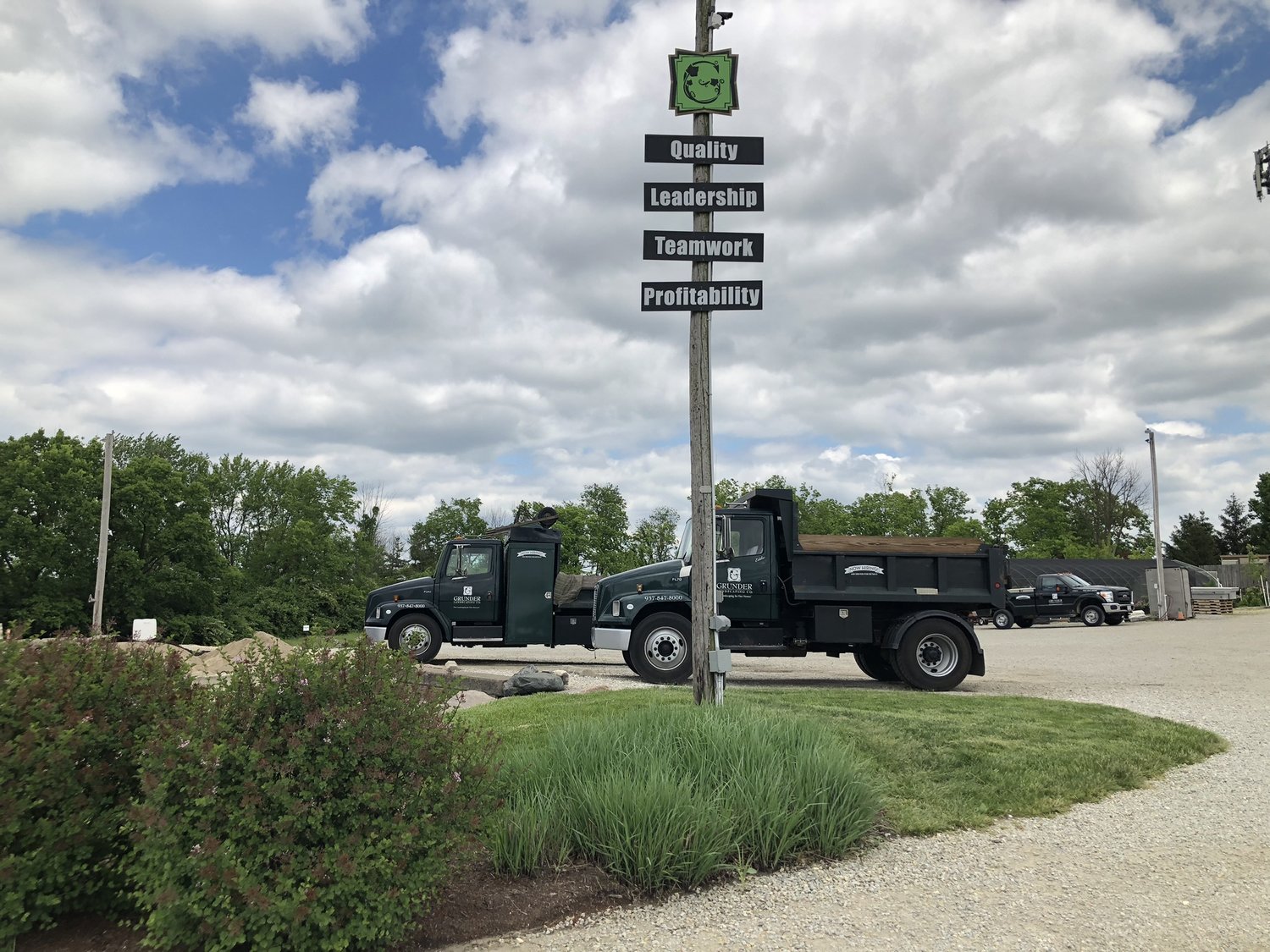
Most landscaping companies either skip defining core values entirely or post generic words on their website without giving them real meaning. Core values are decision-making tools that guide everything from hiring to handling customer complaints.
Making Core Values Work
Identify 3-5 landscaping business core values that truly matter to you and reflect how your company operates. Make them specific enough to guide behavior and memorable enough that your team can actually recall them. Generic statements that could apply to any business don't help.
Use your core values during hiring to identify candidates who align with your culture. Reference them when training employees so they understand not just what to do, but why. Apply them when facing difficult decisions about customers, pricing, or business direction.
Living Your Values Daily
Talk about your core values regularly in team meetings (and make sure your team is too). Share examples of employees demonstrating these values. When someone makes a decision that aligns with your values, recognize it publicly.
Hold people accountable when actions don't align with your values. If you say "respect for clients and each other" matters but tolerate disrespectful behavior, your values are just empty words. Your team watches what you tolerate more than what you say.
Companies with strong, lived core values attract better employees, retain customers longer, and build reputations that generate referrals. They create a culture that becomes a competitive advantage nobody can copy.
Tip #6: Master Team Management to Reduce Turnover
Finding and keeping good people might be your biggest challenge. The landscaping industry faces constant labor challenges, and throwing money at the problem doesn't solve it. You need systems for hiring, training, and retaining team members who care about doing quality work.
Hire for attitude and ability to do the work. Someone doesn't need all the right skills on day one, but they need to be physically capable of handling the demands and have the right attitude. You can teach someone how to operate equipment or install mulch properly. You can't teach someone to show up on time, treat customers with respect, or take pride in their work. Hire landscapers who demonstrate reliability, physical capability for the job, and a willingness to learn.
Building a Strong Team Culture
Invest in proper training from day one. New employees shouldn't learn by trial and error on customer properties. Create a structured onboarding covering safety, quality standards, customer interaction, and equipment operation.
Recognize and reward performance that drives results. Public acknowledgment, bonuses, and advancement opportunities keep motivated employees engaged.
Tip #7: Deliver Customer Service That Builds Reputation
Exceptional customer service isn't about being nice. It's about delivering what you promised, when you promised it, at the quality level you committed to. Most customer complaints stem from unmet expectations (expectations you probably set).
Set clear expectations upfront. Tell clients exactly what you'll provide, when you'll arrive, how long work will take, and what results they should expect. Document everything in writing.
Respond promptly to customer inquiries and concerns. When someone reaches out with a question or problem, they want acknowledgment quickly. Even if you can't solve their issue immediately, letting them know you received their message and when they can expect resolution prevents frustration from escalating.
Managing Customer Relationships
Ask for online reviews from satisfied customers while their experience is fresh. Reviews influence potential clients more than any advertisement. Make requesting reviews part of your standard process after completing projects.
Handle problems professionally. Every landscaping company faces occasional issues. How you respond matters more than the problems themselves. Own mistakes, communicate solutions clearly, and make things right quickly.
.jpg?width=6000&height=4000&name=Rogero%2016%20(5).jpg)
Tip #8: Create Business Plans That Guide Growth
Your landscaping business plan shouldn't be a document you write once and forget. Successful landscaping businesses revisit and update their plans regularly as market conditions change and the business grows.
Set specific, measurable goals for your landscaping company. "Grow the business" isn't a goal. "Add thirty new maintenance clients generating $50,000 in annual recurring revenue" gives you something concrete to work toward.
Understanding Your Market
Understand your local market and competitive landscape. Research what other landscaping companies charge and what services they offer. Identify gaps you could fill or underserved customer segments.
Tip #9: Practice Financial Management Beyond Basic Bookkeeping
Knowing your revenue doesn't mean understanding your finances. Profitable operations require tracking business expenses in detail, managing cash flow through seasonal fluctuations, and making data-driven pricing decisions.
Separate Business and Personal Finances
Open dedicated business accounts, get a business credit card, and maintain separate records. Mixing personal and business money creates accounting nightmares and eliminates legal protections from your business structure.
Set Up Legal Protections Early
Form as an LLC to protect your personal assets. Sole proprietorship (the default when you start without filing documents) leaves your savings, home, and vehicles exposed when something goes wrong. As profits exceed $40,000-$60,000 annually, consider S Corporation tax treatment to reduce self-employment taxes.
Get written contracts with every customer specifying work scope, payment terms, and how you'll handle delays or changes. Document everything before starting work.
Control Costs and Build Reserves
Monitor overhead costs relentlessly (office expenses, insurance, equipment maintenance, and vehicles), since they directly impact profitability. Build cash reserves during peak season to cover slow periods. Target three to six months of operating expenses in reserves as your business matures.
Review pricing regularly based on actual costs: track material costs, labor rates, fuel prices, and insurance premiums. Adjust pricing when costs increase.
Tip #10: Protect Yourself with Business Insurance
Business insurance isn't optional, and minimum coverage isn't enough. One serious accident or property damage claim could bankrupt an underinsured landscaping business. Don't learn this lesson the expensive way.
Essential Coverage Types
-
General liability insurance protects against property damage and injury claims. Many commercial clients require proof of at least $1 million in coverage.
-
Commercial auto insurance covers business vehicles and equipment. Personal policies don't cover work-related accidents.
-
Workers' compensation insurance is required in most states once you hire employees. Covers medical costs and lost wages for on-the-job injuries.
-
Equipment insurance protects mowers, trucks, trailers, and tools from theft or damage.
-
Professional liability insurance covers design advice claims if you offer landscape design services.
Review Coverage Annually
As your business grows and you add equipment or employees, your insurance needs change. Review your coverage every year and increase limits as your company's value grows. What protected you adequately at startup probably isn't enough once you're running multiple crews and handling larger projects.

Tip #11: Understand What Gets You to $1M Won't Get You Beyond It
Here's something most landscaping business owners learn the hard way: what gets your landscaping company to one million in revenue is saying yes to everything. What gets you beyond one million is learning to say no.
As your business grows, you can't be everything to everyone. Successful companies focus on services they excel at and customers they serve best. Identify your most profitable services and ideal customer profiles.
Invest in your people as you scale. Your team members need more training, better equipment, and clearer advancement paths. Growing landscaping companies that neglect their people face constant turnover.
The Bottom Line for Successful Landscaping Businesses
Running a profitable landscaping business requires more than knowing how to maintain perfect lawns. You need to:
-
Track your financials relentlessly
-
Build systems that work without you
-
Define and live your core values
-
Invest in your people
-
Deliver what you promise
-
Make decisions based on data, not guesswork
Most struggling companies don't track costs, lack documented processes, have no values guiding decisions, and chase revenue without monitoring profitability. They work harder every year while making less money.
Successful landscaping companies do the opposite. They measure everything, document their processes, focus on profitable services, and keep improving. They invest in people, tools, and systems that make them stronger over time.
The landscaping industry offers incredible opportunities for owners willing to do the work.
How to Get Started:
Pick one area (financial tracking, marketing strategy, team management) and start making small improvements. Once that feels solid, move to the next area. Consistent progress in multiple areas compounds into huge advantages that set you apart from the pack.

About The Grow Group
The Grow Group is a premier coaching and education firm for landscape professionals. We provide innovative events like our annual GROW! Conference, peer groups, and real-world resources to help landscaping business owners and their teams succeed. Everything we teach is based on what we know works because we test it ourselves at our "living laboratory" - Grunder Landscaping Company, the business Marty began as a teenager and still leads today.
Our team brings over 95 years of combined field experience. Everything we teach comes from real operations, not consulting theory.
Ready to transform your business? Join us at the GROW! Conference to learn from industry leaders who've built successful companies, discover systems you can implement immediately, and network with owners facing the same challenges you are.