
What Do Landscapers Do in the Winter? Turning the Off-Season Into Revenue Opportunities
Winter months create powerful opportunities for landscaping businesses to diversify revenue, strengthen client relationships, and build the foundation for profitable springs. While traditional lawn care services slow in cold climates, successful landscape companies treat colder months as strategic periods to generate income and position for growth when the growing season returns. Understanding what landscapers do in the winter reveals how the most successful companies maintain steady revenue year-round.
Winter Landscaping Services That Generate Income
Modern landscaping businesses and lawn care business owners have evolved beyond seasonal lawn mowing to offer multiple winter services that keep crews productive and revenue flowing.
Snow Removal and Ice Control
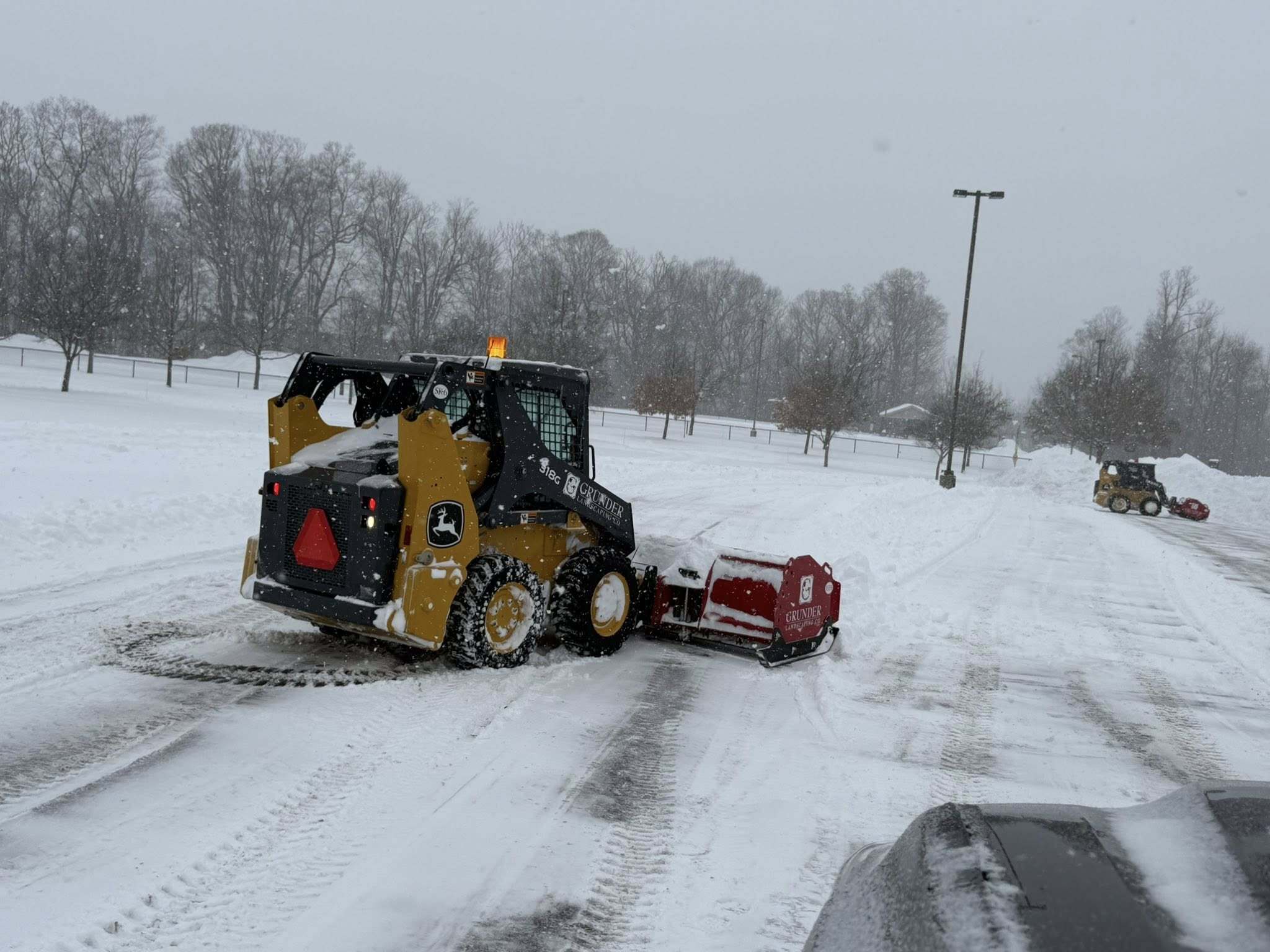
Snow removal is the biggest winter revenue opportunity for landscape companies in regions with consistent snowfall. Commercial properties depend on reliable snow removal and ice control to keep operations running. When businesses can't access their parking lots or customers encounter icy walkways, they lose money. Being available 24 hours a day is the sure sign of professional snow removal companies, who are most often called to clear lots before business hours. This round-the-clock availability commands higher rates and creates barriers to entry that protect established providers.
Structuring Snow Removal Contracts for Predictable Revenue
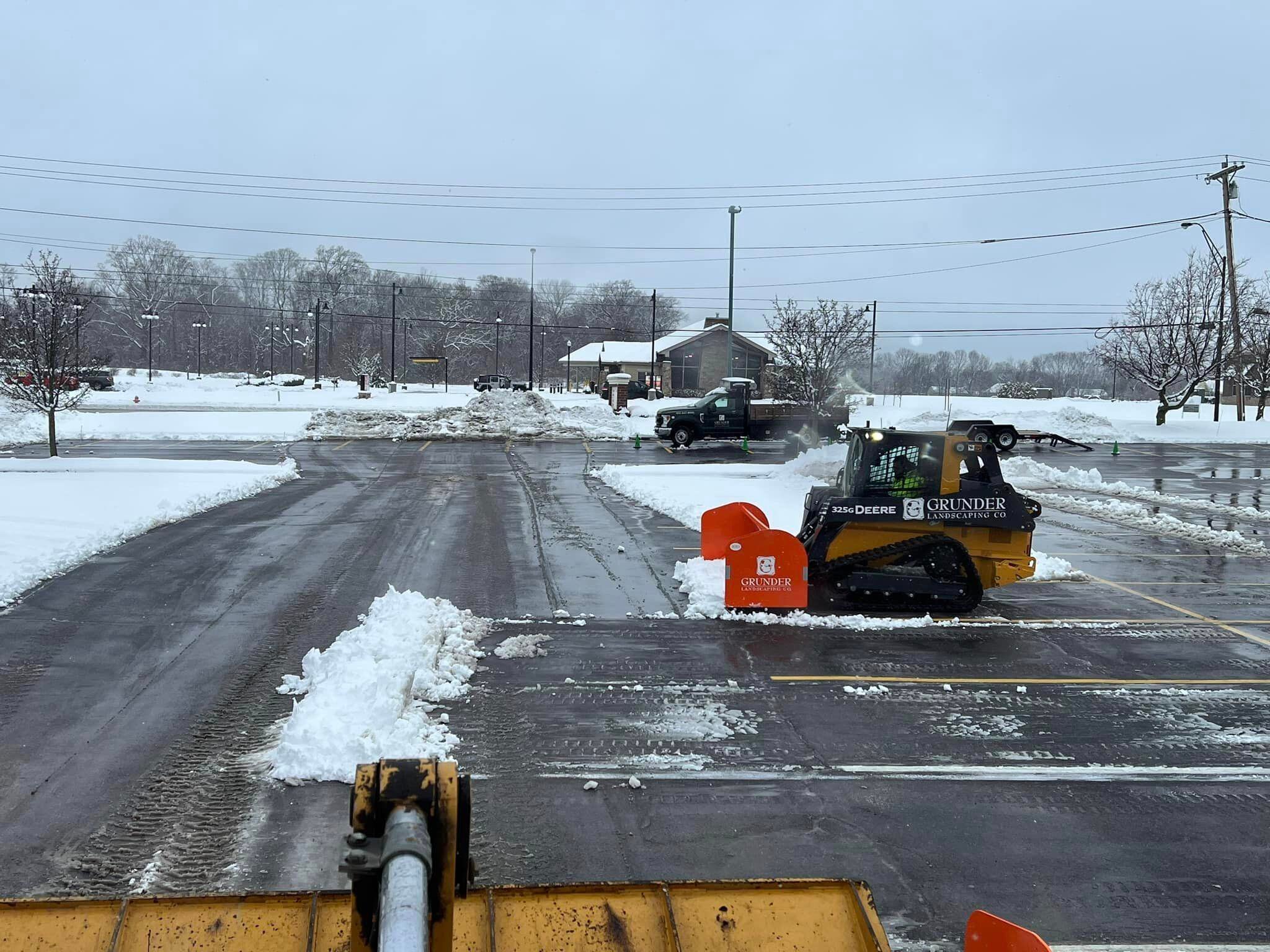
Landscaping companies typically offer snow removal through two pricing models, each serving different client needs and risk tolerances. Seasonal contracts provide unlimited service throughout winter for a flat fee set before the season begins. The property owner pays the same amount whether it snows twice or twenty times. In heavy snow years, the landscape company absorbs additional labor and material costs. In light years, margins improve significantly.
Seasonal contracts create predictable monthly revenue throughout winter when traditional maintenance work stops. Property managers get budget certainty and avoid scrambling for approvals when storms hit. The landscape business gets guaranteed income regardless of actual snowfall, though pricing accurately based on historical weather patterns becomes critical to profitability.
Per-event pricing charges clients based on actual snow accumulation and services performed. This model works well for properties in regions where winter weather varies significantly year to year. Clients pay only for services they actually receive, while the landscaping company avoids losing money during unusually heavy winters. Per-event pricing typically generates higher revenue in heavy snow years but creates income volatility that makes cash flow and crew scheduling more challenging.
Many successful snow removal operations offer both models, letting clients choose coverage that matches their priorities. Risk-averse property managers choose seasonal contracts. Budget-conscious clients with flexibility prefer per-event pricing.
What Snow Removal Requires
Trimming Trees in Winter and Knowing Your Limits
Winter provides optimal timing for certain tree work and tree pruning. Trimming trees during dormancy reduces plant stress and makes structural issues more visible without foliage obscuring the view. Dead plants and hazardous limbs pose particular risks under heavy snow loads.
However, specialized tree work often requires expertise and equipment beyond typical landscape operations. Many successful landscaping businesses recognize when projects exceed their capabilities and develop referral relationships with certified arborists. This approach maintains client trust while ensuring proper care for valuable trees. Rather than attempting complex tree services without proper training, landscape companies can serve clients better by connecting them with qualified specialists while remaining the primary point of contact for overall property management.
Preparing Properties and Lawns for Spring
Smart landscaping companies use winter months to perform services that position clients for outstanding results when the growing season returns.
Winter Lawn Care and Property Preparation
Winter months allow landscape companies to perform winter lawn prep work that positions properties for strong spring performance. Dormant lawns can receive aeration service that breaks up compacted soil and improves drainage without stressing active grass growth. In milder climates, late fall overseeding introduces improved varieties before winter dormancy. Applying winter-specific fertilizers nourishes grass throughout the dormant season, ensuring strong root development for spring green-up.
Winter mulching around flower beds and garden beds serves dual purposes: protecting perennial root systems from freeze-thaw damage while acting as insulation to keep the ground frozen and plants properly dormant. Cutting back perennials and trimming shrubs during winter promotes healthier regrowth in spring. These maintenance services demonstrate year-round property stewardship while generating revenue during slower periods.
Winter Hardscape Projects
Mild winter days occasionally permit hardscape work when ground conditions allow. Some landscape companies use these windows for patio repairs, walkway maintenance, or retaining walls and other hardscape projects that can't wait until spring. Winter project work often secures deposits during slower revenue months, though weather unpredictability makes scheduling challenging.

Services That Extend Client Relationships
Beyond core snow removal operations, winter months create opportunities for landscape companies to provide complementary services that strengthen existing client relationships and demonstrate year-round value.
Off-Season Work That Drives Success
What landscapers do in the winter extends well beyond client-facing services. Strategic off season work positions landscape companies for efficient, profitable operations when peak season demand returns.
Equipment Maintenance and Shop Preparation
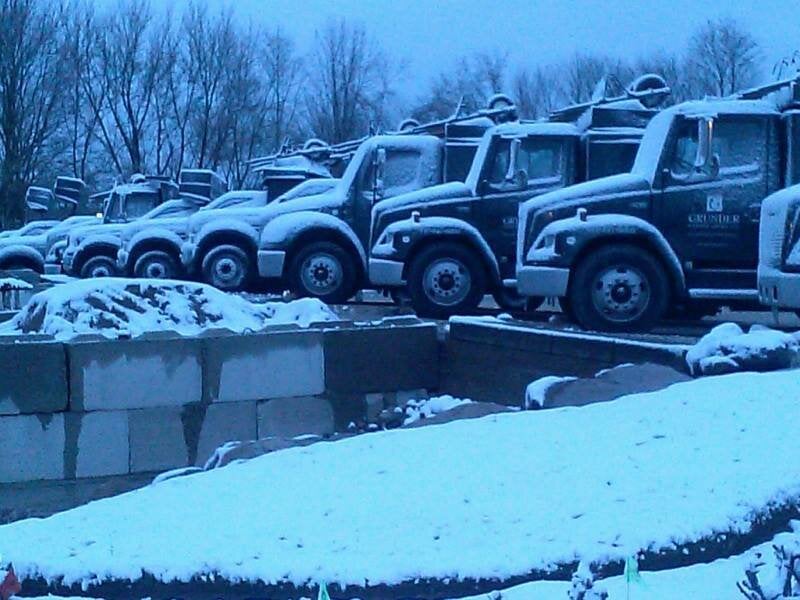
Winter provides essential time for equipment maintenance impossible during peak season. Deep maintenance of tools includes sharpening blades, servicing engines, repairing worn components, and changing fluids. This preventive work extends equipment life and prevents breakdowns when crews need machinery most.
Preparing spare parts inventory and evaluating whether aging equipment needs replacement or additional equipment should be added helps companies enter spring fully prepared. Well-maintained equipment reduces fuel costs, minimizes delays, and projects professionalism.
Off-Season Marketing to Commercial Properties and Existing Clients
Successful landscaping businesses treat winter as prime time for securing spring contracts. Emailing existing clients about winter services keeps the business top-of-mind while generating immediate revenue. Creating bundled packages encourages comprehensive maintenance commitments.
Updating website content to feature winter work improves search visibility while demonstrating year-round expertise. Pitching spring project proposals during winter secures deposits before competitors enter consideration. Commercial properties finalize landscaping budgets in winter, creating opportunities for proactive companies. Winter also provides time to build relationships with new customers. Cross-training team members for multiple winter services creates operational flexibility.
Strategic Planning and Business Development
Winter months provide landscape companies time for strategic work impossible during peak season. Reviewing actual costs ensures accurate pricing for next season. Analyzing service profitability identifies which offerings deserve marketing emphasis.
Many landscaping professionals pursue training and certification opportunities during winter months, building expertise in specialized areas. Winter is when companies focus on landscape design work for spring installations and obtaining necessary municipal permits for larger projects. Developing detailed design proposals allows companies to present professional presentations that justify premium pricing.
Pricing Winter Work and Winter Services for Profitability
Effective winter pricing and pricing strategy balances client needs with operational realities. Tiered packages allow clients to select coverage levels while providing predictable revenue. Subscription pricing for recurring ongoing maintenance smooths income and strengthens retention.
Winter rates must account for equipment wear, increased fuel costs, premium labor rates for overnight work, and guaranteed response value. Many landscaping companies underprice snow removal initially, discovering too late that 2 AM callouts and equipment maintenance erode profitability despite high revenue.
Building Year-Round Success
Understanding what landscapers do in the winter reveals how professional landscape companies transform seasonal challenges into strategic advantages. Successful businesses treat colder months as opportunities to strengthen relationships, generate revenue, stay busy year round, and prepare for spring.
Companies that thrive year round build comprehensive winter programs that maintain team employment while serving client needs. Snow removal keeps commercial properties and many businesses operating safely. Tree pruning improves property health. Maintaining relationships with existing clients during winter generates repeat business and positions companies for more business when spring arrives.
Winter provides time for equipment maintenance, strategic planning, and team development that impacts peak season profitability. Businesses entering spring with maintained equipment, trained crews, and pre-sold contracts operate from strength that translates to better margins and sustainable growth. Year-round relationships build trust that translates to larger projects, better pricing acceptance, and valuable referrals.

About The Grow Group
Led by Marty Grunder, The Grow Group is a premier coaching and education firm for landscape professionals. We provide innovative events like our annual GROW! Conference, peer groups, and real-world resources to help landscaping business owners and their teams succeed. Everything we teach is based on what we know works because we test it ourselves at our "living laboratory," Grunder Landscaping Company, the business Marty began as a teenager and still leads today.
We don't just share theories and ideas. We share tactics we used at our own landscaping company this week that we know still work. Our team brings more than 95 years of combined field experience to everything we do. Whether you're trying to grow your landscaping business or get better control over it, we can help get you where you want to go.
Not sure where to start? Sign up for our weekly Great Idea to get free strategies, tips, and tactics for running your landscaping company delivered to your inbox each Sunday. Listen to episodes of The Grow Show podcast for practical advice you can implement right away.
Or join us at our annual GROW! Conference to learn alongside hundreds of landscape professionals committed to building better businesses.
Frequently Asked Questions (FAQs)
What do landscaping companies do in the winter?
Landscaping companies offer winter services including snow removal, ice control, tree pruning, holiday light installation, gutter cleaning, equipment maintenance, and hardscape projects. Many also use winter months for strategic planning, crew training, and securing contracts for spring work.
Do landscapers get paid in the winter?
Yes, landscapers get paid in winter through diversified revenue streams including snow removal contracts, seasonal maintenance agreements, holiday services, and spring project deposits. Successful landscaping companies maintain year-round income by offering winter-specific services alongside equipment maintenance and business planning work.
What landscaping can you do in winter?
Winter landscaping includes tree pruning during dormancy, hardscape installations on mild days, winter lawn preparation through aeration and mulching, snow removal, gutter cleaning, and planning spring projects. Many companies also perform equipment servicing, crew training, and property assessments during colder months.