
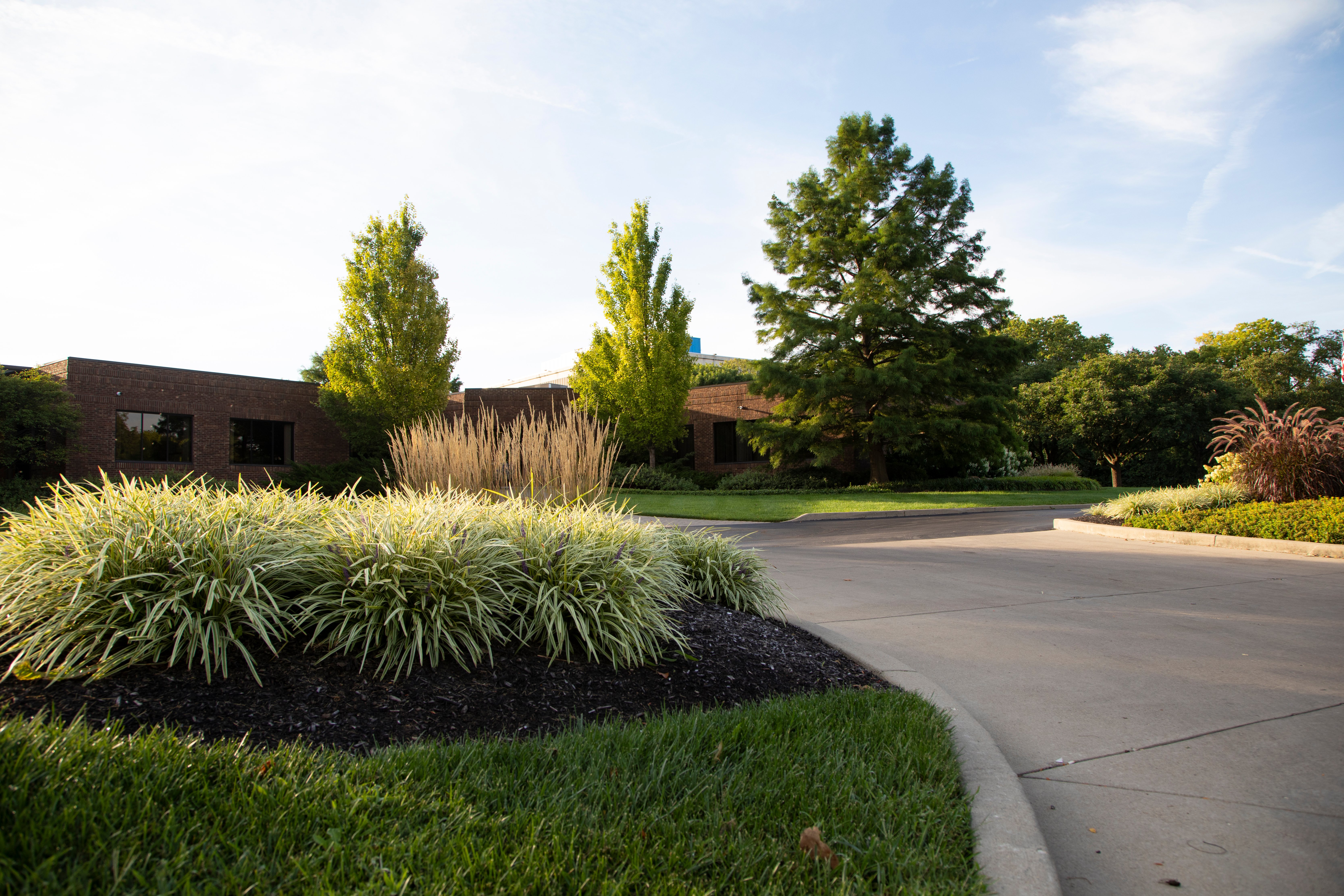
Commercial landscaping contracts are the accounts that keep crews busy year-round: office parks, retail centers, and HOAs on recurring service instead of one-off jobs. A few of them can steady out the seasonal swings that come with residential work, which is why so many landscaping companies want to break in.
The part that trips people up is that commercial work is won before the bid. Property managers award these contracts based on relationships and reputation, and the company that gets the call is usually one they already knew or heard about from someone they trust. Knowing that changes how you go after the work: you build relationships and visibility with property managers long before a contract is up for bid, so you're the name that comes to mind when one is.
Reasons to Target Commercial Landscaping Contracts
Recurring jobs are the biggest point of stability for a landscaping company. They are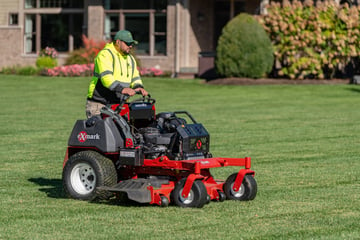 revenue you can count on every month until the contract ends. Some commercial contracts can last as long as 5 years before renewal, locking in revenue that will help you grow your commercial landscaping business and keep your employees secure in their jobs.
A few recurring commercial contracts replace the constant churn of chasing one-off work, and they give you revenue you can count on, which makes it a lot easier to plan your hiring, your equipment purchases, and every other area of company growth.
They carry higher value too. A single office park or retail center can be worth more than dozens of residential accounts, and the work renews year after year instead of drying up at the end of the season. That is the peace of mind you should always want for your business.
The one tradeoff is patience. Commercial sales cycles run longer than residential ones, often weeks or months from the first conversation to a signed contract, so the owners who come out ahead are the ones who plan for that timeline and keep working other leads while they wait. Stay with it, and the payoff is worth it.
What Makes Commercial Landscaping Contracts Different?
A commercial landscaping contract is a binding agreement between a property owner or property manager and a landscaping company to maintain a larger property like an office complex, a retail center, or a homeowners association. Compared to the residential contracts you might be used to, these carry more formal requirements, cover a lot more square feet, and involve higher-value work.
 Every landscaping contract should spell out the scope of work, the payment terms, and the timeline. On the commercial side you want to be specific about the pricing structure and the payment schedule, so there's never any question about what gets done and when you get paid.
There are a couple of clauses to include that protect you and your business. The first is a renewal clause, which spells out whether the agreement rolls over automatically or comes up for review, so nobody is caught off guard when the term ends. The second is a termination clause, which lays out how either side can exit and how much notice they owe. And on multi-year work, a price-escalation clause lets your rates rise along with labor and material costs, because without it you're locked into a number that might stop being profitable by year two.
There are three common contract types used in commercial landscaping work.
- Fixed price contracts. These lock in your revenue, but only work if your estimating is accurate.
- Time-and-material contracts. This is more flexible, but it depends on careful tracking to stay profitable.
- Seasonal service package contracts. These bundle recurring work like mowing, cleanups, and snow into a set scope for the season. The client gets predictable pricing, and you get predictable revenue.
Whichever one you use, keep in mind that a commercial proposal is a different beast than a residential one. A homeowner might sign off on a quick estimate, but a property manager expects every detail accounted for. Be as detailed as they expect you to be from day 1.
Commercial clients expect a certain level of professionalism, and you want to establish that credibility before you talk to them, instead of scrambling for it afterward.
Your business has to be registered and properly licensed. Property managers won't and shouldn't consider an unlicensed contractor, because an unlicensed vendor is a liability on their property.
You also need the right insurance, and you need to be able to prove it. General liability and workers' compensation protect both you and the client, and commercial contracts usually set specific coverage minimums you'll have to meet. Confirm your limits line up with what the client requires, be ready to hand over a certificate of insurance the moment they ask, and carry commercial auto coverage on your vehicles, because property managers commonly want all three in hand before they award the work.
Finally, put together a portfolio and a website that show off what you can do. Commercial clients like to see proof that you can handle a property their size before they hand it over, and a little effort here goes a long way toward making that first impression for you.
Finding Commercial Landscaping Opportunities
Start by identifying the property managers and decision makers behind the properties you want, and learn what you can about their needs and who's currently servicing them. Doing this homework tells you what they value and helps you position yourself well before you ever make contact.
Score each prospect on two things: fit, meaning the property matches the work you already do well, and route efficiency, meaning it sits near accounts you're servicing anyway. You want contracts on your existing route because they're more profitable than ones that send a crew across town.
Different commercial properties want different things, and pitching them all the same way won't work for you. An office complex or industrial park tends to care about clean, functional grounds that work for the tenants and employees who use them, while a retail center might care more about curb appeal to attract business. While there will always be exceptions to the rule, this can guide you in the right direction.
Digital marketing generates inbound commercial leads and puts you in front of people searching for landscaping services in your area. Just don't make the mistake of leaning on it entirely, because you'll miss out on important business you could have found from other lead sources.
Local business events and Chamber of Commerce meetings put you in the same room as property managers and the other people who control landscaping contracts. Those face-to-face conversations are where a lot of commercial relationships get their start, so make a habit of showing up where the decision makers already are.
Networking for Commercial Clients
A huge number of commercial contracts trace back to a relationship, which is good news, because relationships are something you can build on purpose. Property managers often oversee multiple properties, so a single one who trusts your work can turn into a source of ongoing contracts for years to come. Building those relationships through networking events and industry conferences is the most reliable way in.
It helps to be honest with yourself about what tends to work and what tends to waste your time.
What works:
- Tapping your existing residential clients for referrals. Plenty of them work for or manage companies that need commercial landscaping.
- Showing up at community events to talk directly with property managers and local businesses.
- Attending industry conferences and Chamber of Commerce meetings where decision makers gather.
- Asking satisfied clients for reviews and references that back up your reputation.
What doesn't:
- Cold calls and cold emails. Turn them warm instead by asking a mutual connection for an introduction.
- Mass marketing with no personal connection behind it.
- Leaning on online advertising alone.
Commercial decision makers check references far more carefully than residential customers do, so your reputation ends up carrying weight in the decision. They'd much rather hire a contractor they already know, like, and trust. It all comes back to that in commercial sales.
There are other paths to decision-makers than just knocking on doors. You just need to look in the right places. Try these:
- Ask for a warm introduction. If someone in your network knows a property manager, a quick introduction from a mutual contact opens more doors than any cold outreach.
- Use LinkedIn. Property managers and facilities directors are easy to find there, and a connection request with a genuine, specific note lands better than a cold call. It also shows you who you already know in common to ask for an introduction.
- Join the groups they're in. Local chapters of organizations like BOMA (Building Owners and Managers Association) put you in the same room as the people who control commercial contracts.
Government Contracts for Landscaping Services
Government contracts are agreements between a landscaping business and a government entity for the maintenance and improvement of public property. They can be a great source of work. Just know that they do come with more process than private jobs, so it's worth going in with your eyes open.
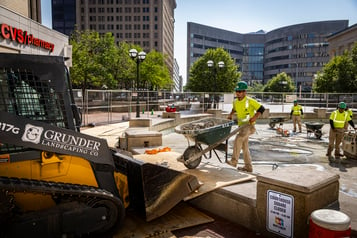 The work is the same lawn care, mowing, tree trimming, and landscape design you already do, just for federal buildings, military bases, and public facilities. Payment usually comes on completion and tends to be reliable and on time.
Government work runs through a Request for Proposal (RFP) system and requires strict compliance with specific regulations and documentation. Agencies like the General Services Administration (GSA) and the Department of Transportation (DOT) each have their own requirements, so you'll want a good grasp of what a given agency expects before you put in the work to bid. Once you learn the system, though, it opens up a whole category of steady work.
Preparing Winning Landscaping Bids
A strong proposal is what wins the contract. On commercial work, that means a clear scope of work, a pricing breakdown, and whatever compliance documentation the client requires. Before you can put any of that together, you have to understand what the client needs, so read the RFP closely and walk the site yourself, because assumptions on a bid end up losing you money.
Your price has to account for everything, including labor and materials, overhead, and a healthy profit margin. It's tempting to cut that margin to win the job, but all that gets you is a job that costs you money to do. That will never help you grow your business. And in reality, they will probably still pick the higher bid because they know that person or found them more impressive. If you believe in your services, they will too. Using pricing tools built for landscaping businesses can help you standardize this so you never have to sacrifice your profitability.
It's never safe to make estimates when it comes to something like property size on your bids. You need to measure and inspect the site so you know exactly what you're pricing. Then you use that to calculate your labor number based on production rates. Then add a contingency for the site-specific headaches like tight access, heavy foot traffic, and difficult terrain, so a tough job doesn't quietly eat into your margin. There are tools that can help you get accurate measurements on a site, but you should always go look at the property before submitting the bid. There is probably something that isn't visible from a satellite image that you need to account for in your fees.
At the end of the day, a winning bid balances quality and price, and the goal isn't to be the cheapest option on the table. You want to be a reputable, recognizable business that is worth every penny. That's who they want to hire.
Building Client Relationships and Communication
Staying close to your property managers, owners, and existing clients is how you hold onto the contracts you've won and earn the referrals that lead to the next ones.
Most of that comes down to communication during and after projects.
-
During a project, keep the client ahead of problems instead of behind them. Flag
schedule changes and weather delays early, update them on completed work and anything you ran into, answer questions quickly, and send progress reports on larger jobs.
-
After you wrap, follow up to make sure they're satisfied, handle any loose ends promptly, ask how you did, and then ask happy clients for referrals.
-
While you're bidding, stay visible without being a pest. Follow up after you submit, offer more information if they need it, and be patient, since commercial contracts are often awarded weeks or months after the proposal goes in.
Negotiating and Managing Commercial Landscaping Contracts
Winning the contract is the start of the relationship, but there's still work to do to keep it strong. How you negotiate and manage the agreement can decide whether it stays profitable and whether it renews when the term is up.
Manage the account against standards you set together with the client. Agree on performance metrics and inspection schedules up front so everyone is on the same page about what good looks like, which keeps expectations from drifting over the life of the contract and saves you from awkward conversations down the road.
And don't wait for the contract to lapse before you think about the next one. Start the renewal conversation about 60-90 days out, which gives you time to review pricing, address any concerns, and lock in the next term while the relationship is active and healthy, instead of scrambling once it's already expired.
Delivering Commercial Work and Retaining Contracts
Your business will keep commercial contracts by delivering great work consistently. Property managers renew with the contractors who make them look good to their own bosses and never leave them wondering whether the work got done. Form good habits like:
- Standardize your route schedules so the same crews service the same properties on a predictable cadence. It builds trust with the client and makes your own operation run tighter.
- Inspect properties regularly to catch issues before the client does. Walking the site on a schedule is how small problems get handled before they turn into complaints. Don't just look for things that apply to you either. Notice potholes in the parking lot? Let them know. Notice some litter? Pick it up. You don't need to tell them every little thing you do to help out; they'll notice. Just don't let your team do too much outside of scope, or you'll start to lose money.
- Send performance reports. A short monthly summary of what got done keeps the client informed and quietly reminds them of the value you deliver.
- Ask for referrals at natural milestones. A property manager who's happy with your work often oversees other properties, and satisfied clients are the strongest source of new commercial accounts you have.
Marketing Toward This Audience
Commercial decision makers tend to research contractors well before they ever reach out, so your online presence is doing work for you whether you're paying attention to it or not. A professional website and active social media platforms shape the impression you make. If you look like a professional business online, they'll treat you like professionals.
From there, marketing strategies like email marketing, content marketing, and local SEO widen the pool of potential clients who find you. You can also make your business easier to say yes to by bundling services or offering package deals, since commercial clients appreciate anything that simplifies their vendor list. And partnering with complementary businesses and suppliers is a great way to open the door to new customers across the commercial sector.
Growing Your Commercial Landscaping Business
Once you've got commercial accounts, one of the easiest ways to grow is by doing more for the clients you already have. Adding services like grounds maintenance and lawn care makes you a one-stop option, and a lot of commercial clients would much rather work with one contractor who can handle multiple property needs than juggle several vendors.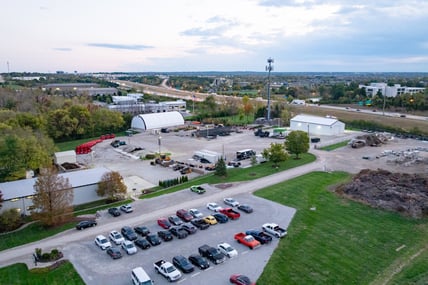
Growth also means investing back into the business itself. New equipment, better technology, and ongoing training raise the quality and efficiency of what you deliver, and commercial clients notice when a contractor shows up with professional-grade equipment and well-trained crews. Keep an eye on your operations, your marketing, and your client relationships, and you'll start to see where the next improvement needs to be.
Understand your market, put together detailed proposals, build real relationships, and deliver work that's good enough to earn referrals. Do that consistently, and the commercial side of your business will start to take care of itself.

About The Grow Group
Led by Marty Grunder, The Grow Group is a premier coaching and education firm for landscape professionals. We provide innovative events like our annual GROW! Conference, ACE Peer Groups, GLC Field Trips, and real-world resources to help landscaping business owners and their teams succeed. Everything we teach is based on what we know works because we test it ourselves at our "living laboratory," Grunder Landscaping Company, the business Marty began as a teenager and still leads today.
We don't just share theories and ideas. We share tactics we used at our own landscaping company this week that we know still work. Our team brings more than 95 years of combined field experience to everything we do. Whether you're trying to grow your landscaping business or get better control over it, we can help get you where you want to go.
Not sure where to start? Sign up for our weekly Great Idea to get free strategies, tips, and tactics for running your landscaping company delivered to your inbox each Sunday. Listen to episodes of The Grow Show podcast for practical advice you can implement right away.
Frequently Asked Questions (FAQs)
How to win commercial landscaping contracts?
Build relationships with property managers through networking events, then submit detailed proposals with clear pricing, a full scope of work, and testimonials that back you up. The most reliable way to win new commercial accounts is to deliver high-quality service to your existing clients, because referrals and reputation do most of the work.
How do I get leads for my landscaping business?
Get in front of decision makers directly at local business events, Chamber of Commerce meetings, and community events. Lean on your existing residential clients for referrals, and keep a professional online presence with client testimonials so inbound leads have a reason to trust you.
How to get big commercial contracts?
Target larger properties like office complexes, retail centers, and government facilities that need full-service landscaping. Establish credibility with proper licensing, insurance, and a strong portfolio, then focus on long-term relationships with property management companies that oversee multiple locations.
How do you expand your landscaping company?
Add complementary services like grounds maintenance and lawn care so you can do more for the commercial clients you already have. Build route density in your current service area before you stretch geographically, and invest in professional equipment and trained crews so you can take on bigger commercial projects.