
How to Create SOPs for Your Landscaping Business
Ask any landscaping business owner if they need SOPs and they'll say yes. Ask when they'll get around to creating them, and you'll get a different answer. Documentation gets pushed aside when the daily fires need putting out.
Here's what happens when SOPs stay on the back burner: your team delivers inconsistent quality, training new hires becomes a nightmare, and you're completely dependent on a few key people who know "how things are done." When those people call in sick or leave, chaos follows.
SOPs transform how your team delivers work. They let new employees perform tasks correctly without constant supervision. They guarantee clients get the same quality whether your best crew or your newest team member shows up. They protect your reputation and your bottom line.
The companies that scale successfully don't rely on tribal knowledge. They document their processes, train systematically, build consistency, and improve their daily landscaping operations. Here's how to create SOPs that actually get used.
Why Standard Operating Procedures Matter for Landscaping Operations
Most landscaping business owners don't realize how much knowledge lives in their heads and their best crew members' habits. This works fine until a key employee leaves, you need to add crews, or you want to step back from daily operations.
Without SOPs, every new hire is a gamble. Quality depends on who shows up. Equipment gets damaged because nobody followed the right procedure. Customers get inconsistent service when different crews handle the same property.
SOPs solve this by creating consistency regardless of who's doing the work. They set clear expectations for how tasks get done, what quality looks like, and how to handle common situations. That consistency protects your reputation and helps you to grow your landscaping company.
Where to Start:
Don't try to document everything at once. You'll burn out and end up with procedures that sit unused.
Instead, focus on creating 3-5 major SOPs per department (sales, operations, finance, HR). These key procedures should cover the tasks that make up 80% of what drives your business. At Grunder Landscaping Co., we ask ourselves: what will our crews spend 80% of their time doing? That's what we document first.
This prioritization framework helps you identify which procedures deserve attention:
- High-impact tasks: What activities directly affect quality, safety, or profitability?
- Frequent tasks: What does your team do daily or weekly?
- Pain points: Where do mistakes happen most often?
- Training bottlenecks: What takes longest to teach new hires?
For example, if your crews spend most of their time on maintenance routes, perfect your mowing and trimming SOPs before documenting your twice-yearly landscape renovation procedures. Get the basics rock solid first.
What to Include in Your Landscaping SOPs
The best standard operating procedures focus on processes that directly impact quality, safety, or operational efficiency. Start with procedures that address your biggest pain points or most common mistakes.
Every landscaping company needs documented procedures for these core activities:
- Morning rollout and crew scheduling: How crews receive their daily assignments, load equipment, conduct safety checks, and understand job site expectations. This procedure should cover the entire process from arrival at the shop through departure for the first job.
- Job site setup and safety protocols: Proper procedures for arriving at a job site, setting up equipment, marking hazards, and ensuring safety for crew members and clients. Include specific steps for different types of work - lawn mowing requires different setup than seasonal planting or equipment maintenance tasks.
- Quality control and inspection standards: Clear guidelines defining what constitutes quality work for each service type. Include photo examples showing acceptable versus unacceptable results. Quality control procedures should specify who inspects work, when inspections happen, and how issues get addressed.
- Equipment maintenance and care: Daily, weekly, and seasonal maintenance requirements for all landscaping equipment. Proper equipment maintenance prevents breakdowns and extends equipment life.
- Customer communication standards: How team members should interact with clients on-site, handle questions, and document conversations. These procedures protect customer satisfaction and prevent misunderstandings.
- Cleanup and departure procedures: Steps for ensuring job sites are clean, equipment is secured, and clients are satisfied before crews leave.
Creating Task-Specific SOPs
Beyond general procedures, document standard operating procedures for specific landscaping services your company provides. A lawn mowing SOP should specify blade height, mowing patterns, and trimming standards. A mulch installation procedure should detail bed preparation, material depth, and cleanup standards.
Effective SOPs answer the questions new hires typically ask: How much? How long? What does good look like?
Writing SOPs That Teams Actually Use
Standard operating procedures fail when they're too complex or vague. The most effective SOPs are written by the people doing the work, not by management guessing what happens in the field.
Keep Procedures Simple and Visual
Write SOPs at a sixth to eighth grade reading level using short sentences and common terms. Each procedure should fit on one or two pages maximum. Videos also work well to show the procedure well, and can be more effective when there's a language barrier.
Include photos showing correct techniques and common mistakes. Visual references help new team members understand standards faster than text alone. Use numbered steps rather than long paragraphs.
Document Current Best Practices
Don't write procedures describing how you wish things worked. Document how your best crews actually complete tasks successfully. Shadow experienced team members, take notes, ask questions, and capture their methods.
Have crew members review draft procedures before finalizing them. This review process builds buy-in since team members helped create the procedures they're expected to follow.
Training Your Team on Standard Operating Procedures
Creating SOPs accomplishes nothing if crews don't know they exist or understand how to use them. Effective implementation requires systematic training and ongoing reinforcement.
Building SOPs Into Onboarding
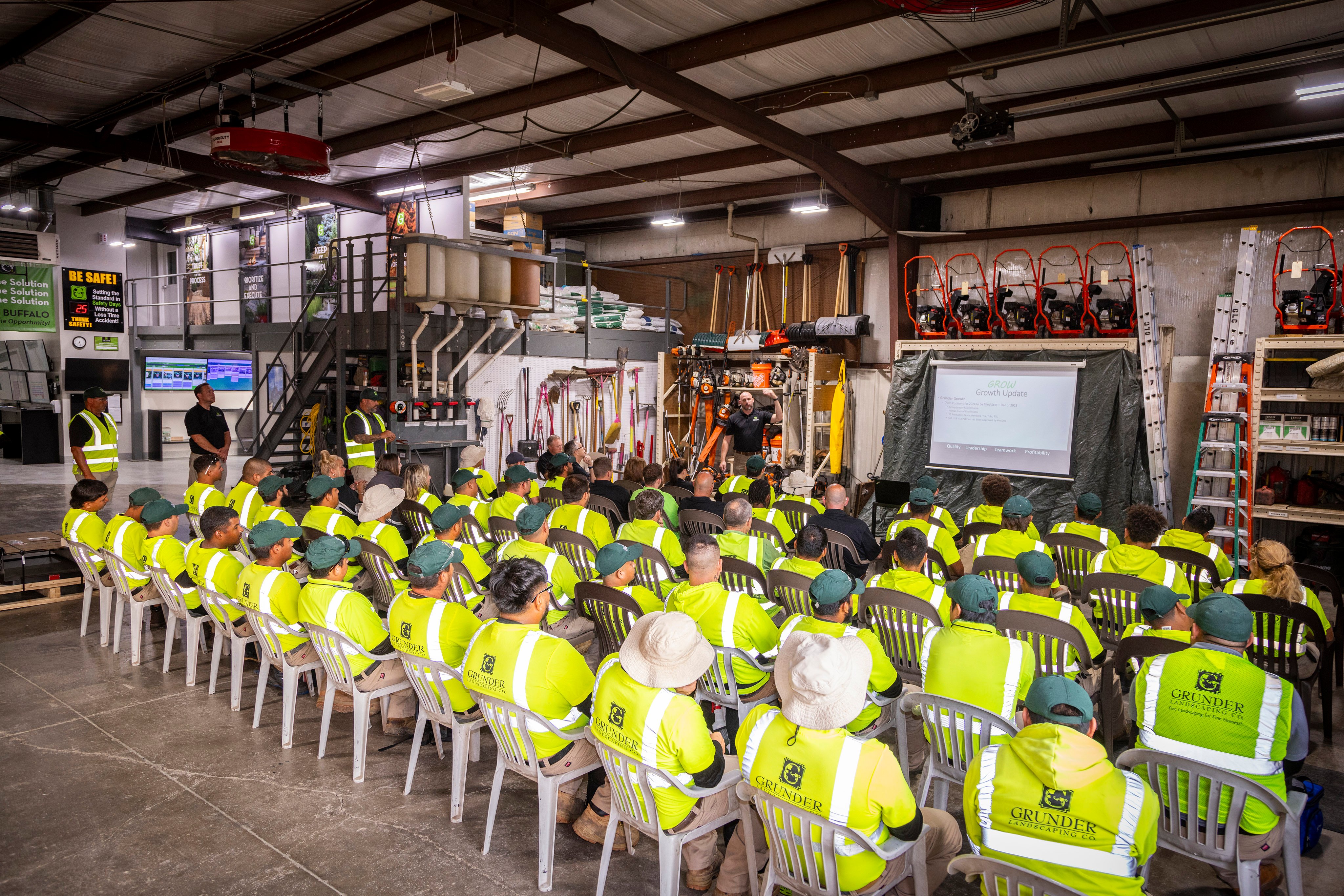
New hires should receive SOP training during onboarding. Walk through key procedures, demonstrate techniques, have them practice, and verify understanding before sending them to job sites independently. Use a checklist tracking which procedures each new team member has been trained on.
Assign new hires a mentor who can answer questions and reinforce proper procedures during the first few weeks.
Making SOPs Accessible
Standard operating procedures only work if team members can access them when needed. Create a mobile-friendly digital library where crew members can quickly find relevant procedures on their phones. Physical binders in trucks work as backup or a first step, but a searchable online database is more efficient.
Organize SOPs logically by service type or frequency of use. Consider creating quick-reference cards for frequently needed information like equipment maintenance schedules or safety protocols.
Reinforcing Procedures Consistently
Reference SOPs during regular crew meetings when discussing quality issues or process changes. When mistakes happen, review the relevant procedure with the team member.
Recognize crew members who consistently follow procedures and produce quality work. This positive reinforcement matters more than only addressing problems.
Translating Your SOPs
Many landscaping businesses employ non-English-speaking team members who may not read English fluently. Creating Spanish versions of your standard operating procedures isn't just helpful - it's essential for safety and operational consistency.
If significant portions of your crew primarily speak Spanish, translating SOPs should be a priority, especially for safety procedures and equipment maintenance protocols where misunderstanding could cause injuries or damage.
Professional translation services ensure accuracy and appropriate terminology. Consider creating video demonstrations of key procedures with Spanish narration for visual learning that benefits all team members.
Maintaining and Updating Your SOPs
SOPs aren't "set it and forget it" documents. They need regular attention to stay useful as your business evolves.
Assign clear ownership for every SOP. Each procedure needs two people assigned to it:
- Review owner: Someone who checks if the procedure still reflects best practices
- Update owner: Someone responsible for making changes when needed
These can be the same person, but clarity matters. At Grunder Landscaping Co., our group leaders typically own reviewing procedures for their teams, while our operations manager handles the actual updates.
Set a review schedule based on SOP size and impact:
- Quarterly reviews for large, critical SOPs (safety protocols, equipment maintenance, quality standards)
- Annual reviews for smaller, less-frequently-used SOPs (seasonal procedures, specialized services)
Mark review dates on your calendar. When the date comes, the review owner checks if anything changed (new equipment, better methods, team feedback, safety concerns). If changes are needed, the update owner makes them and communicates updates to the team through brief training sessions.
Track your procedures. Keep a simple version control system. We use a spreadsheet that shows:
- SOP name
- Last updated date
- Version number
- Who made changes
- What changed
This tracking helps prevent confusion when multiple people reference procedures. Your team always knows they're looking at the current version.
When procedures change, don't just update the document. Hold brief team meetings to explain what changed and why. Reference updated SOPs during crew meetings when relevant situations come up. This ongoing reinforcement keeps procedures from becoming forgotten paperwork.
Building Long-Term Success Through Documentation
Creating effective standard operating procedures requires upfront time investment, but the return shows up daily. Documented processes enable faster training, more consistent service delivery, better quality control, and operational efficiency that doesn't depend on specific individuals.
Start small by documenting your most critical processes first. Perfect those procedures, train your teams, verify they work, then expand to additional areas. Each new SOP makes operations more reliable and efficient.
The landscaping businesses that achieve long-term success move beyond informal tribal knowledge to documented systems that ensure consistency. Standard operating procedures provide the operational foundation that makes everything else possible.

About The Grow Group
The Grow Group helps landscaping business owners clarify their platform, grow their people, build their processes, and realize profits. Led by Marty Grunder, our team is actively involved in day-to-day operations at Grunder Landscaping Co.
We don't just share theories and ideas. We share tactics we used at our own landscaping company this week that we know still work. Grunder Landscaping Co. serves as our "living laboratory." Every system we recommend gets tested there first.
Join us for our upcoming events: ACE Peer Groups, GLC Field Trips, GROW! Conference, Weekly Great Ideas, and The Grow Show Podcast.
Frequently Asked Questions
What are SOPs in landscaping?
Standard operating procedures are documented step-by-step instructions for completing tasks consistently in a landscaping business. They cover equipment maintenance, job site safety, customer communication, and quality standards, ensuring all team members follow the same procedures.
How do I create an SOP for my landscaping company?
Start by identifying critical tasks, then document how your best crew members complete those tasks. Write procedures in simple language with numbered steps, include photos, and have team members review drafts. Keep each SOP to one or two pages and make them accessible on mobile devices.
Should landscaping SOPs be in Spanish?
If you have Spanish-speaking team members who aren't fluent in English, translating SOPs into Spanish is essential for safety and consistency, especially for equipment maintenance and safety protocols.
How often should I update my landscaping SOPs?
Review all procedures annually to verify they reflect current best practices. Update immediately when you discover better methods, add new equipment, or change service offerings.