

How to Keep Your Landscaping Crew Motivated
Motivated employees drive a landscaping business forward. The work is hands-on, the season is full, and the crews that show up engaged make all the difference. When team members feel valued and invested in the work, quality goes up, clients notice, and the business grows stronger because of it.
The good news is that building a motivated team is not complicated. It takes leaders who build the right systems that support them, so they know you always have their back.
Motivated Landscaping Teams Drive Growth
Building a motivated team is one of the smartest investments an owner can make. Motivated crew members take pride in their work and communicate better with customers. That translates to better service and stronger client retention.
The return on that investment shows up everywhere. Crews that feel valued stay on the team longer, work harder, and deliver the kind of consistent quality (that keeps your clients coming back season after season). For any landscaping business serious about growth, investing in the team is one of the highest-leverage things an owner can do.
Before Anything Else, Understand Your Culture and Core Values
Motivation starts before the first day on the job. Building a strong culture begins with bringing on people who are driven by more than a paycheck, who genuinely care about doing good work and being part of something bigger than themselves.
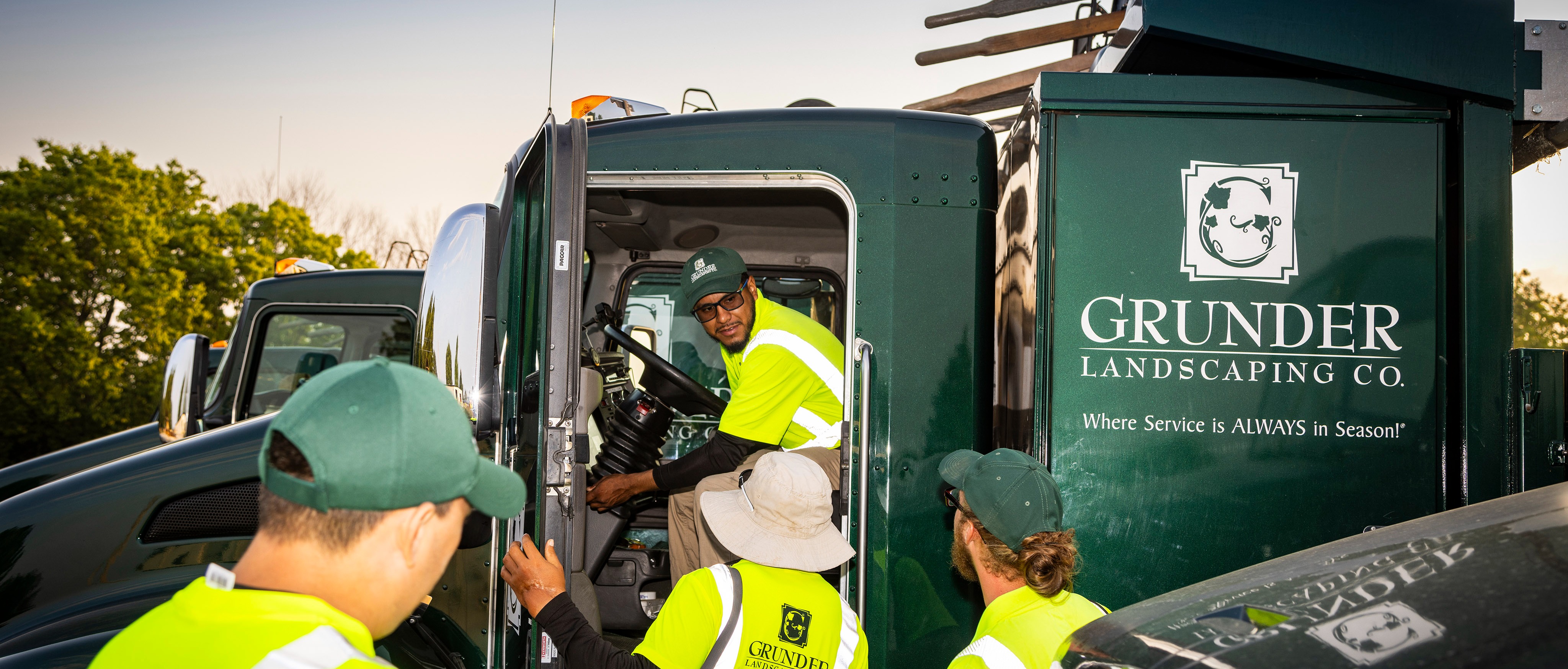
The right hire makes everything else easier. The wrong one, no matter how skilled, can quietly erode the team dynamic that good leaders work hard to build.
Defining the landscaping company's core values and communicating them clearly, to new hires and longtime employees alike, gives everyone a shared standard to work toward. Culture is not a poster on the break room wall. It is how the team behaves when no one is watching.
Know What Motivates Your Crew
Even within a strong culture, crew members are motivated differently. Some respond to recognition, others to growth opportunities, new skills, or simply feeling valued and respected by the people they work for. Assuming the entire team wants the same things is one of the most common mistakes managers make.
The answer is leading your leaders. When everyone in a leadership role, from the owner down to the crew leader, works intentionally to show appreciation and understand what drives the people under them, motivation becomes part of how the company operates rather than an item on someone's to-do list.
Model that behavior at the top and the expectation cascades down through the organization naturally.
The companies that get this right are the ones where appreciation is not a quarterly event. It is something every leader practices every day, on the job site, in the morning huddle, and in the small moments that add up over a long season.
Set Clear Goals and Expectations
A landscape team cannot perform at a high level without clear goals and clear expectations. When crew members do not know what success looks like on a given job, frustration builds and productivity drops. The fix starts at the top. Leaders who communicate expectations clearly, and make sure every person on the team understands their role, set their crews up to do great work from day one.
But communication alone is not enough. The right systems and tools make it simple for crews to meet expectations without confusion or guesswork. When every team member shows up to a job with the full picture, the right information, and a clear understanding of what needs to get done, the work goes smoother and the results show it.
Getting everyone aligned before the season starts and reinforcing those standards through regular touchpoints throughout the year keeps quality consistent from the first job of spring to the last job of fall. Clear goals also give leaders at every level a fair and objective foundation for recognizing great work and having honest conversations when things need to improve.
Open Communication and Constructive Feedback
Open communication is the backbone of a high-performing team. When crew members feel comfortable raising concerns and sharing ideas, problems get solved faster and trust runs deeper. Leaders who listen actively and follow up on what they hear are the ones their teams will go the extra mile for.
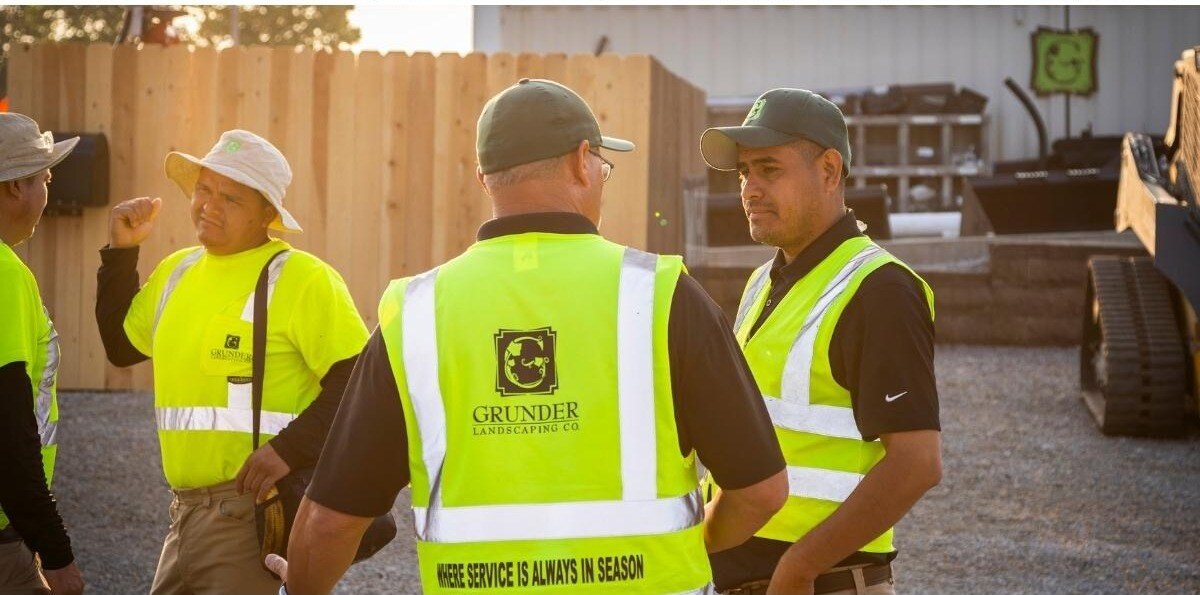
Constructive feedback works best when it is specific and timely. Real-time feedback after a job, acknowledging what went well or coaching through something that needs to improve, builds skills and reinforces standards in a way that feels natural rather than formal. Structured performance reviews are still valuable for bigger conversations around growth, career paths, and longer-term development, but the day-to-day moments are where culture is actually built.
Again, this comes back to leading your leaders. When everyone in a supervisory role, from a group leader to a crew leader, is equipped and expected to have these conversations regularly, feedback becomes part of the rhythm of the business rather than something that only happens when there is a problem.
Build a Positive Work Environment
A positive work environment is the result of intentional choices made every day, and it shows up in ways both big and small.
- Make sure crews have the tools and equipment they need to do quality work
- Address problems directly rather than letting them fester
- Take the physical demands of the job seriously with adequate breaks and well-maintained equipment
- Keep job sites organized and safe
- Communicate schedule changes promptly so crews are never caught off guard
- Celebrate wins, even small ones, before moving on to the next job
These are the basics that signal the company respects the people doing the work.
Team morale is built in small moments as much as big ones.
Recognizing a job well done at the end of the day, remembering a work anniversary, or encouraging crew members to look out for one another all contribute to a culture where people genuinely want to show up. When team members feel valued, it comes through in the quality of their work and the way they treat customers.
Provide Opportunities for Growth
Investing in the growth of a team is one of the most direct ways to show crew members they matter. The companies that do it well build workforces that are more capable, more loyal, and more motivated to deliver great work.
Create a Clear Path Forward
A promotion pathway that goes from crew member to crew leader to management (honored by promoting from within) makes opportunity feel real rather than theoretical. When employees can point to colleagues who worked their way up, they can picture themselves doing the same.
Invest in Training and Development
Cross-training on different equipment and hands-on skills development builds a more capable and confident workforce. Employees who are learning and taking on new responsibilities are more engaged and more invested in the business's success.
Make Career Development Part of the Conversation
Growth does not happen by accident. Leaders who regularly check in on where their people want to go, and actively help them get there, build the kind of loyalty that shows up every day on the job site.
When crew members see a future for themselves within the company, they stop looking for one somewhere else.
Reward Success and Recognize Hard Work
Reward success publicly and consistently.
Fair pay is the starting point. When a business prices its services properly and reviews wages regularly, it creates the ability to take care of its people. That investment pays itself back in retention and morale.
Recognition is one of the most underutilized tools in the industry, and it does not have to be expensive to mean something. A personal thank-you or a shout-out in a morning huddle will go farther than you might think. For companies ready to build something more structured, an Employee of the Month program or bonuses tied to output or efficiency reinforce the right behaviors and make great work feel worth the effort.
Lead by Example
The managers who earn the deepest loyalty are the ones who hold themselves to the same standards they set for their crews. Work ethic, punctuality, attention to detail, how a leader shows up on a demanding day, all of it sends a message to the people watching.
When crew members see their leaders living the values the company talks about, it reinforces a culture of excellence that is hard to build any other way.
Give team members the autonomy to do their jobs well. Define responsibilities clearly, provide the right training, set expectations, and then trust people to deliver. A crew that feels trusted and empowered will consistently outperform one that feels watched and second-guessed.

About The Grow Group
Led by Marty Grunder, The Grow Group is a premier coaching and education firm for landscape professionals. We provide innovative events like our annual GROW! Conference, peer groups, and real-world resources to help landscaping business owners and their teams succeed. Everything we teach is based on what we know works because we test it ourselves at our "living laboratory," Grunder Landscaping Company, the business Marty began as a teenager and still leads today.
We don't just share theories and ideas. We share tactics we used at our own landscaping company this week that we know still work. Our team brings more than 95 years of combined field experience to everything we do. Whether you're trying to grow your landscaping business or get better control over it, we can help get you where you want to go.
Not sure where to start? Sign up for our weekly Great Idea to get free strategies, tips, and tactics for running your landscaping company delivered to your inbox each Sunday. Listen to episodes of The Grow Show podcast for practical advice you can implement right away.