
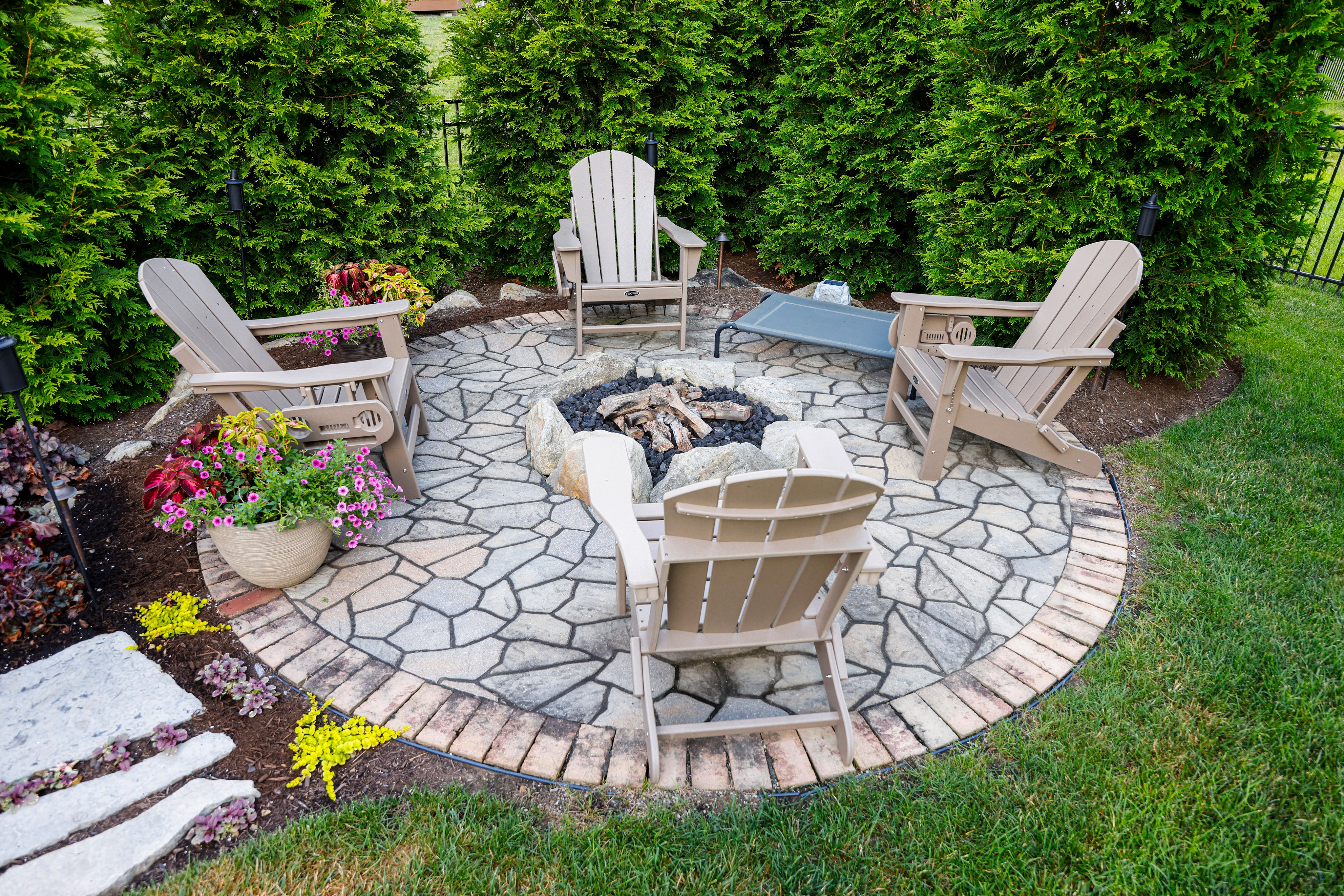
The fastest way to grow revenue is often sitting right in front of you. Every property on the schedule belongs to a client who already trusts the company, already pays the invoices, and already sees the crews do good work every week. Learning how to upsell landscaping services well turns that trust into more revenue per property without the cost of chasing new clients.
Upselling done right feels like great service. Taking the time to comb a property and suggest ways to make it stand out is a time to collaborate with property owners and help them dream big for what's possible

What Upselling Services Means in Landscaping
Upselling in landscaping means recommending additional services that solve a problem or meet a goal on a client's property. This might include thinning a lawn, fixing a bed that's lost its shape, brightening a dark walkway, or addressing a drainage issue that floods the patio every spring. Each is a problem the client either knows about or will notice soon. Bringing it up first, with a clear solution, is what clients pay a professional for.
A recommendation from someone who walks the property every week is professional guidance, not a sales pitch. When the crew and the account manager know a property better than anyone else, they become the client's trusted advisor. Clients who see their landscaping company that way rarely shop around.
Serving existing customers well also makes financial sense. New clients require marketing spend, estimating time, and a trust-building period before they buy anything beyond the basics. Existing clients have already cleared those hurdles.
Find Upsell Opportunities Among Existing Customers
Upsell opportunities rarely announce themselves. They have to be found, and that takes intention.
Crews on routine visits are focused on getting the work done efficiently. The landscaping companies that sell the most enhancement work also schedule dedicated property walks where an account manager or salesperson looks at the site with fresh eyes: what's changed, what's declining, and what could be better. Walking the property with the client, when possible, is even better. It's the easiest way to hear the client's goals in their own words.
Before each visit, review the account history. What services does the client currently buy? What was proposed last year and declined? What did they mention wanting "someday"? That context turns a general walk into a focused one.
During routine services, crews should photograph visible problems and log observations in the CRM: dead shrubs, damaged trees, bare spots in the lawn, erosion, or irrigation heads spraying the sidewalk. Photos make the follow-up conversation easy because the client can see exactly what the crew noticed.
A declined proposal isn't a dead proposal. Budgets change, and a "not this year" often becomes a "yes" the following season. Recording every declined service with the date and reason gives the sales team a ready list of warm opportunities.
Not every client has the same upside, either. Clients with larger properties, broader landscaping needs, or a history of investing in their property deserve more attention than clients who only want the lowest-cost mowing package.
Match Landscaping Services to What the Property Needs
The most effective upsell services follow naturally from what the property needs right now. Every recommendation should connect a specific observation to a specific solution.
Turf problems are some of the easiest to spot and explain. Weak or thin turf points to a fertilization program. Active weed growth is a clear case for weed control. Compacted soil sets up an aeration and overseeding recommendation for the fall. Documented pest damage makes a treatment easy to justify. These lawn care services are low-friction additions for clients who already buy mowing.
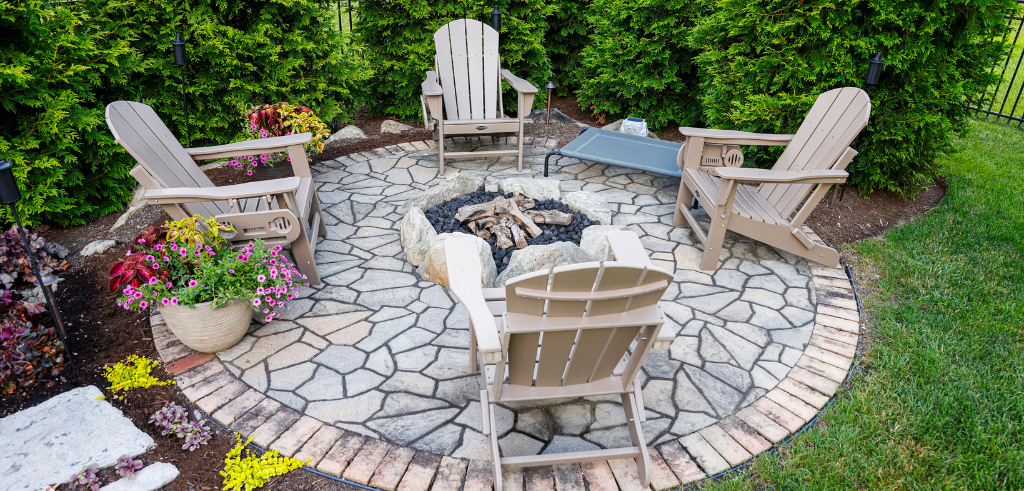
Landscape enhancements are where revenue per property skyrockets. Common enhancement ideas include bed renovations, mulch and edging, seasonal color, pruning or replacing overgrown trees and shrubs, landscape lighting, irrigation upgrades, drainage corrections, and small hardscape repairs. Off-season services like snow and ice management or holiday lighting extend the relationship into quieter months.
The key is tying each enhancement to something the client cares about.
"These three shrubs have died back, and replacing them before spring will keep the entrance looking finished for your graduation party" ties it directly to something they want instead of just "Your shrubs need to be replaced."

Bundling additional services into a seasonal or annual agreement simplifies the decision for the client and stabilizes revenue for the business. Pairing mowing with fertilization, cleanups, mulch, and seasonal color into one personalized package works well for clients with broader needs.
What a bundle shouldn't do is cut into margins. Discounting add-ons trains clients to wait for a deal and lowers the perceived value of the work. Lead with convenience, consistency, and results instead, and protect the regular price.
Time Enhancement Sales Around Budget Planning
Timing matters as much as the recommendation itself.
Commercial clients work on annual budgets, and most property managers build next year's budget months ahead. Proposals that arrive after the budget is set usually wait a full year. Presenting commercial enhancements in late summer or early fall, before budget planning wraps up, gives the property manager time to include them.
It also helps to match proposals to the budget categories property managers already use, such as base maintenance, enhancements, snow, and capital improvements. Framing proposals around tenant satisfaction, curb appeal, and safety improvements (trip hazards, poor lighting, overgrown sightlines) speaks directly to what property managers are measured on. Safety and compliance items carry their own deadlines, which creates natural urgency.
Spring bed refreshes and color, late-summer aeration and overseeding, fall lighting before the holidays. The smartest companies start planning ahead of each season rather than reacting to it. Selling winter services in the summer, and next spring's enhancements in the fall, reaches clients before their budgets go elsewhere and fills the production schedule early.
Equip Crews and Salespeople to Recommend Services
Upselling isn't only the sales team's job. The people who visit the property most often see the most.
Crew members and team leaders notice the drainage problem after a storm, the limb hanging over the roof, and the shrubs that didn't come back. Training crews to spot issues, photograph them, and pass them along gives the sales team a steady flow of qualified leads at no added cost.
Crews don't need to sell. They need simple talking points for when a client asks, and they need to know who to hand the opportunity to. "I noticed that and let our account manager know. She'll follow up with some options" is all it takes.
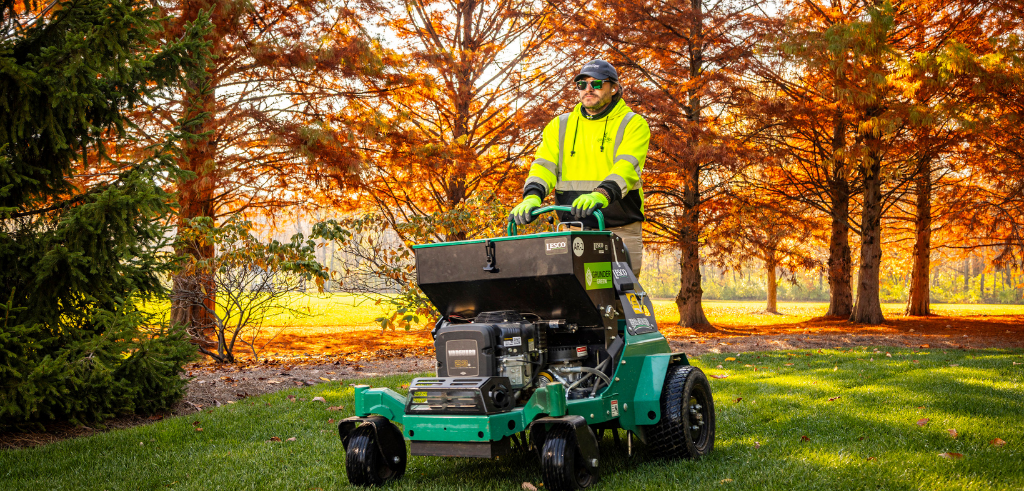
Once an opportunity is logged, an account manager or salesperson should own it. The best salespeople listen first, connect the recommendation to the client's goals, and let the value do the work. Pressure-based selling damages the trust that made the upsell possible, so teams should be taught to recommend, explain, and ask for the work without pushing.
Rewarding team members who identify qualified opportunities keeps the system running. A small bonus or recognition in a morning huddle shows the team that noticing things matters.
Build a Follow-Up System to Increase Revenue
A systematic approach is what you need to build upsells.
Start by segmenting existing customers by the services they currently buy. A mowing-only client is a candidate for lawn care services. A client with a full maintenance agreement may be ready for lighting or a bed renovation.
From there, build a calendar of touchpoints tied to the seasons and each client's goals. A personalized email with photos from a recent visit, a text reminder about fall aeration, or a note left on the door after service all keep opportunities alive without feeling like spam. AI tools can help draft messages or summarize crew observations, but the recommendation itself should come from someone who has seen the property.
Most importantly, track every recommendation inside the CRM: what was proposed, when, for how much, and what happened. Without that record, opportunities fall through the cracks during busy season.
Improve Enhancement Sales With Better Proposals
How a recommendation is presented affects whether it gets approved, and the level of detail should match the size of the project.
For smaller projects, annotated photos with a short note and a price give the client a quick picture of the problem and the fix. Mid-level enhancements like a bed renovation or lighting package benefit from a simple sketch. Major improvements deserve a visual design that helps the client see the finished result.
Every proposal should tie back to the client's priorities. Offering two or three options at different investment levels lets clients choose rather than simply accept or decline.
Enhancement work should also be priced for full margin, and the sales team should confirm production has capacity before promising a start date. Selling work the crews can't fit in creates more problems than it solves.
Measure Upselling Services and Refine Performance
A few simple metrics show whether the upsell system is working. Track recommendations by team member to see who is identifying the most opportunities. Measure proposal conversion rates. Review revenue from landscape enhancements and revenue per client against monthly goals.
Over time, patterns show which services sell easily, which seasons convert best, and which offers consistently fall flat. Weak offers should be reworked or removed. Reviewing these numbers in regular sales meetings keeps upselling a priority rather than something the team gets to when things slow down.
Building Revenue From the Relationships You Already Have
Knowing how to upsell landscaping services comes down to paying attention, recommending solutions that matter, and following up consistently. When crews notice problems, salespeople connect them to client goals, and every proposal is timed well and tracked, upselling becomes a natural part of serving clients well. The result is higher revenue per property, stronger relationships, and a more predictable business built on the clients who already chose you.

About The Grow Group
Led by Marty Grunder, The Grow Group is a premier coaching and education firm for landscape professionals. We provide innovative events like our annual GROW! Conference, peer groups, and real-world resources to help landscaping business owners and their teams succeed. Everything we teach is based on what we know works because we test it ourselves at our "living laboratory," Grunder Landscaping Company, the business Marty began as a teenager and still leads today.
We don't just share theories and ideas. We share tactics we used at our own landscaping company this week that we know still work. Our team brings more than 95 years of combined field experience to everything we do. Whether you're trying to grow your landscaping business or get better control over it, we can help get you where you want to go.
Not sure where to start? Sign up for our weekly Great Idea to get free strategies, tips, and tactics for running your landscaping company delivered to your inbox each Sunday. Listen to episodes of The Grow Show podcast for practical advice you can implement right away.
Frequently Asked Questions
How do you upsell landscaping services without sounding pushy?
Present yourself as an advisor who solves problems, not a salesperson adding extras. Point out what you’ve noticed, explain what happens if it’s left alone, and offer to price a fix whenever the client is ready.
What should crews look for when walking a property for enhancement opportunities?
Look for anything that’s failing, unsafe, or hurting curb appeal, such as standing water, eroding beds, trip hazards, thin turf, faded mulch, or dark walkways. A quick photo and note on each visit gives the account manager real evidence to bring to the client.
When is the best time to recommend landscape enhancements?
Pitch larger commercial projects before property managers set budgets in late summer or early fall, and match residential pitches to the season, with outdoor living upgrades in spring and cleanups in fall. Right after a client’s first service is also a strong moment, since they’ve just seen the quality of your work.
How can landscaping companies get field crews involved in upselling?
Give crews a simple way to report what they see, and reward them with a bonus or team perk when it turns into a sold job. Keep property details like square footage and plant types in your CRM so follow-ups and estimates are fast and specific.