
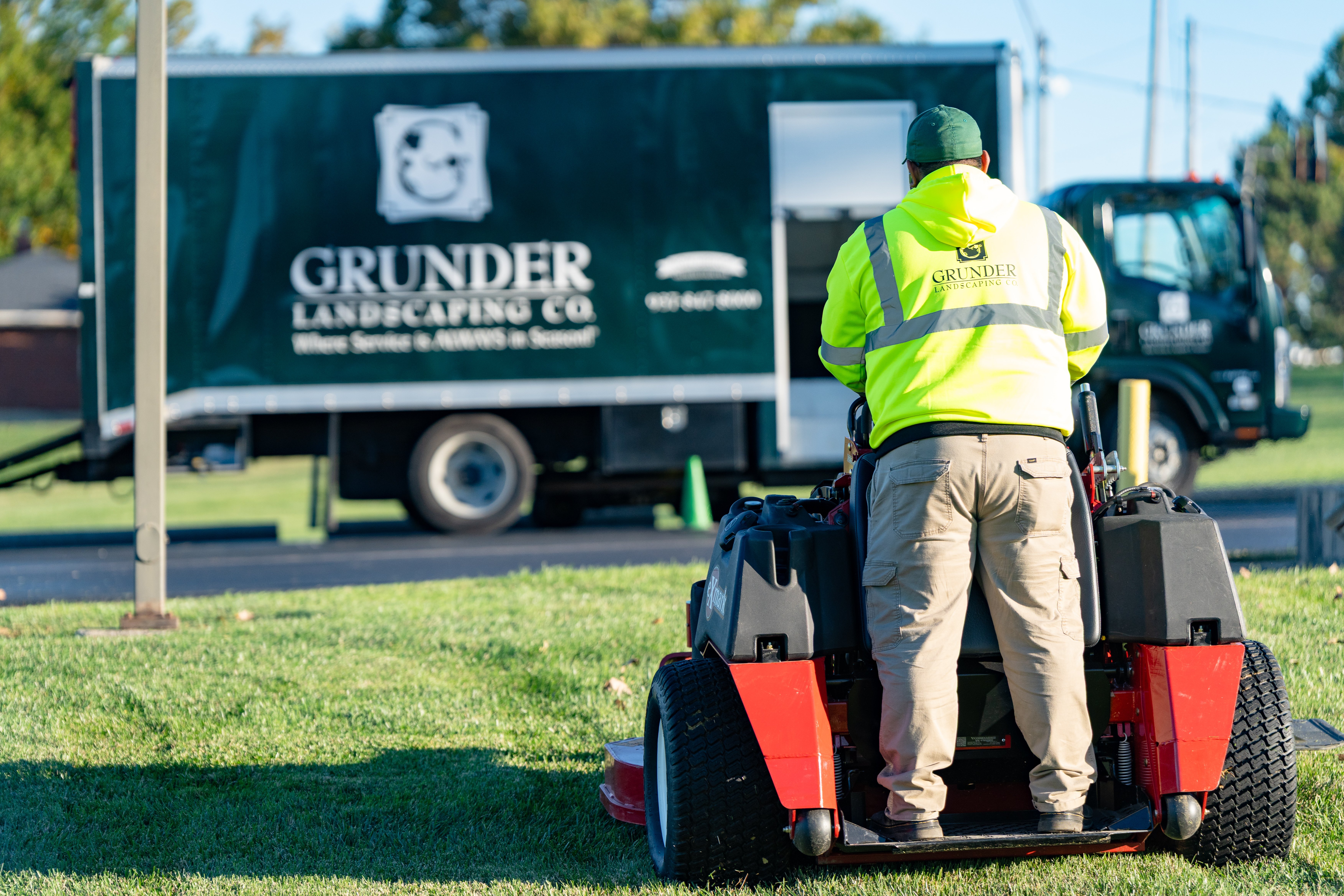
Every truck your company runs is a moving billboard. Every yard sign, every uniform, every proposal tells the same story. The logo at the center of all of it defines your company to every person who sees it. Treating it with the same intention you bring to your operations and your client relationships is what separates a forgettable brand from one that people recognize and remember.
Think about the brands whose logos you know without ever needing to see the name. The Nike swoosh. The Target bullseye. The Apple on the back of a laptop. Those companies earned that recognition through consistency and a clear, focused identity. The same principle applies to your landscaping company, just in the neighborhoods and communities where you work.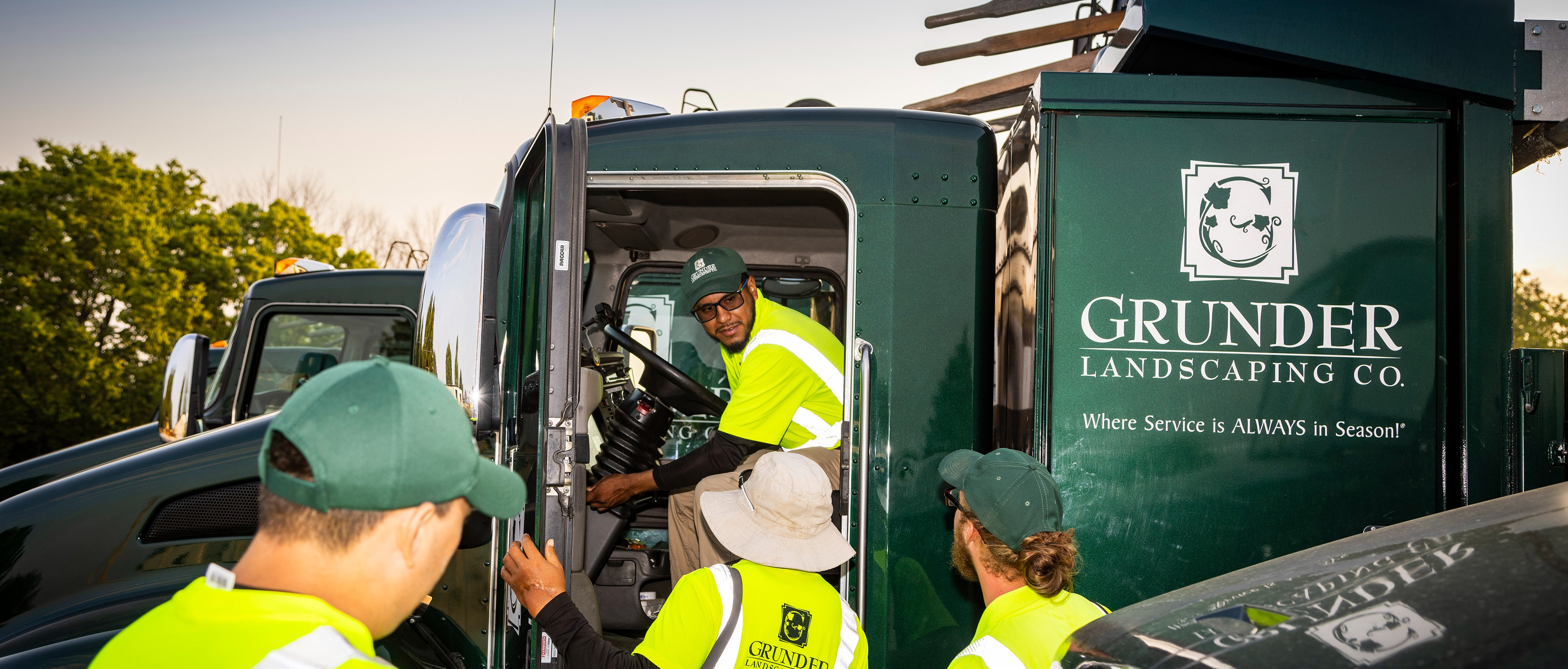
How the Logo You Choose Makes a Difference
A professional landscaping logo signals to potential clients that your company is established, capable, and worth calling. Even if they can't always remember your name right away, they might be able to pick out your logo in a crowd. An outdated or overly detailed one makes it hard to grasp what they're looking at and can have you losing people before they ever get a chance to know how you do business.
The right logo does more than make a good first impression. It works for your company in ways that are easy to overlook until you start paying attention:
- Recruiting: The best candidates want to work for companies that look like they have it together. A polished brand makes it easier to attract people who will represent you well.
- Referrals: When a happy client sends someone your way, that prospect will look you up. The brand they find needs to match the quality they were told to expect.
- Repeat visibility: A logo seen consistently in a neighborhood builds familiarity over time. The first time someone sees your truck they notice it. By the fifth time, they trust it.
- Commercial credibility: Property managers and HOAs evaluate vendors quickly. A professional logo signals you run a legitimate, organized operation before anyone returns a call.
- Employee pride: Crews who wear a brand they are proud of carry themselves differently on job sites and in front of clients.
- Community presence: A recognizable brand makes your company feel like a fixture in the communities you serve, not just a vendor passing through.
How to Design a Strong Landscaping Company Logo
Think about the logos you already recognize and respond to. The brands you trust. Chances are, what you like about them is that they are clean, clear, and easy to read at a glance. You know a strong logo when you see one, and so does every potential client driving past your truck.
Your logo needs to work on a truck door, a yard sign, a business card, and a mobile website icon. Complex designs lose detail in embroidery and blur on vehicle wraps.
Before briefing a designer or opening a design tool, write down a few words that describe your company. Not your services. Your personality. Bold and modern. Trusted and traditional. Welcoming and detailed. Those words should drive every design decision. What matters is that the design reflects who you actually are and who you want to attract.
Color is one of the first things people notice, so it is worth thinking through carefully.
It makes sense that green is the standard in the green industry. It's the first choice for most landscapers. It makes sense for the work, and there is nothing wrong with leaning into that. What matters is choosing a green that feels like yours and pairing it with a second or third color that gives the brand some dimension and contrast.
Keep in mind that these are ultimately your brand colors, which will appear everywhere: your company website, marketing materials, uniforms, and vehicles. A palette that looks great on a truck wrap needs to translate just as well on your homepage. Test it across formats before finalizing, and try to keep the palette to two or three colors. You can choose more than that for accents. Just keep in mind that the more colors in the mix, the harder it becomes to stay consistent across everything the brand touches.
A strong logo works in full color, in black and white, and in a single color. It holds up large on a vehicle wrap and small on a pen or hat. If the design only works in one context, it is not versatile enough. Test it across formats before committing.
These are the details that don't feel important to everyone, silly even to some people. But picking a font can impact your brand quite a bit. Have you ever seen a business that feels out of date, or that seems to have skipped professional design help when creating the brand? It's these details that give that impression. The typeface is half the logo. It needs to be legible at small sizes and consistent with the words describing the brand personality.
Design trends move fast. A logo that looks current today can feel dated in five years. The landscape companies with the strongest brand recognition in their markets are not the ones that chased trends. They chose something classic, put it on everything, and let consistency do the work over time.
Give the logo the time and attention it deserves. A lot of landscape business owners treat it as an afterthought early on, only to find themselves stuck with something they do not love a few years down the road when changing it feels like a bigger lift than it is worth. It is worth getting right. Take the time to land on something you're proud to call yours, because that pride shows up in how you present the business every single day.
Landscaping Logo Ideas
The best logos reflect something specific about the company: the region it serves, the clients it works with, the work it is known for. Here are the design directions that consistently produce strong results.
Nature-Focused
Nature-focused designs are the most common choice in the green industry, and when done with specificity, they work well. A regional tree species or something tied to the company's specialty will always communicate more than a generic leaf. Push past the obvious: an icon that could belong to any landscaping company tells a potential client nothing about yours.
Tool-Themed
Tool-themed logos work well for design-build firms and contractors who want to communicate craftsmanship. A drafting compass, a stylized spade, or a badge-style mark built around a single tool element can signal the kind of precision that commercial clients and property managers respond to.
Modern and Minimalist Landscaping Logo Design Ideas
Minimalist and geometric logos tend to age well and translate across formats. A clean initial mark or a geometric shape can carry more character than a detailed illustration, but they require a strong font choice to hold the composition together. These are great for companies that plan to expand their offerings over time. Even if you don't think that applies to you now, it might later.
Classic and Handcrafted Landscaping Logos
Some of the most recognizable logos in the industry are built around the company name or a single initial. Grunder Landscaping Co. is a good example: the G is distinctive, noticeable, and immediately tied to the brand. This works well when the company name itself carries weight in the market, and it tends to hold up over time because it is rooted in something that does not change.
Typography-Only Landscaping Logos
Not every logo needs an icon. A well-chosen typeface set confidently can be just as distinctive and tends to translate well across every format and surface. This works especially well for companies with strong, memorable names.
Professional Designer vs. DIY
There is no wrong answer here. What matters is that the logo you end up with is one you are proud of and that represents the business well.
Tools like Canva and Adobe Express have made it genuinely possible to put together a clean, functional logo without a design background. For a newer company watching every dollar, that is a huge advantage, and there is nothing wrong with taking that route.
The thing to keep in mind is that design tools give you flexibility, but they do not give you a trained eye. If you are not a graphic designer, it is easy to miss things: proportion, spacing, how the logo reads at different sizes, whether the colors work together the way you think they do. That is not a reason to avoid these tools. You just need to get some feedback from others.
Before finalizing anything, share the design with people whose opinions you trust: other business owners, your team, maybe even a few clients. A fresh set of eyes will almost always catch something you missed or push you toward a stronger version of what you already have. Do not skip that step.
When the business is ready to invest in professional design, the results tend to show. A good designer brings technical knowledge that goes beyond aesthetics: file formats, color systems, scalability, and how the logo will behave across every surface it lives on. They also deliver a complete brand asset pack with everything needed for print, digital, and vehicle graphics, which saves time and money on every marketing project that follows.
When evaluating designers, look at their portfolio carefully. Have they worked with other landscaping companies or service businesses? Do the logos they have created feel distinctive, or do they all look like variations of the same template? A designer who can show you work that feels specific to each client is a much safer bet than one whose portfolio blends together.
It is also worth asking how they handle revisions, what the timeline looks like, and whether they will provide the original editable files at the end of the project. Owning those files matters more than most people realize until they need them.
Putting it to Use
A logo delivered only as a JPEG causes problems the first time it needs to go on a vehicle wrap or large-format sign. Every logo should be exported in vector format (SVG or AI) so it scales without losing quality. A PNG with a transparent background handles digital applications. High-resolution files at 300 dpi handle print. The file type and size matter too. Oversized image files can slow down your website's performance, so make sure the version you upload is optimized for the web without sacrificing quality.
Once the logo is finalized, use it everywhere: website header and favicon, social media profiles, vehicle lettering, uniforms, proposal templates, invoices, yard signs, and door hangers. Inconsistency across materials undermines the recognition a logo is supposed to create. The companies that build strong brand recognition in their markets are the ones that deploy one consistent identity across every surface for years.
Your Brand Beyond the Logo
A great logo is the foundation, not the finish line. How you show up every day is what turns it into something people actually recognize and trust.
Trucks and Vehicles
Your trucks are in the right neighborhoods every single day as you perform high quality work. Keep the design focused: company name, phone number, website, and logo. The goal is to be remembered by people who like your work. It is also worth reminding crews that a branded vehicle raises the standard for how they represent the company on the road and at job sites.
Uniforms
Branded uniforms tell clients that the people on their property are professionals. They also create accountability on the crew level. Before ordering, make sure the logo translates well to embroidery. Designs that look great on screen can lose detail when stitched onto a polo.
Yard Signs
A yard sign at an active job site proves to neighbors that your company is trusted right there on their street. Keep it clean and easy to read from a distance, and include a QR code so a curious neighbor can take action on the spot. For multi-day projects, leave the sign up for the full duration.
Proposals and Client Materials
A branded, professional contract template reinforces that a prospect made the right choice calling you. A generic document does the opposite. The same goes for invoices, estimates, and email signatures. Every touchpoint either builds the brand or quietly chips away at it.
Community Presence
The landscaping companies that become household names in their markets show up beyond the job site. Sponsoring a local team, supporting a neighborhood event, or donating time to a school or nonprofit puts the brand in front of people in a way that advertising cannot replicate.
Next Steps
The best logos come from clear thinking before the design work starts. Know your brand personality. Know your client. Know what makes your company different. Then take that clarity to a designer or into a design tool, and do not settle until you land on something you are genuinely proud of.
That pride is not just personal. It shows up every day on your trucks, your uniforms, and in the hands of every potential client who receives a proposal. A great logo is one of the few things in your business that works for you around the clock without any extra effort. It is worth getting right.

About The Grow Group
Led by Marty Grunder, The Grow Group is a premier coaching and education firm for landscape professionals. We provide innovative events like our annual GROW! Conference, peer groups, and real-world resources to help landscaping business owners and their teams succeed. Everything we teach is based on what we know works because we test it ourselves at our "living laboratory," Grunder Landscaping Company, the business Marty began as a teenager and still leads today.
We don't just share theories and ideas. We share tactics we used at our own landscaping company this week that we know still work. Our team brings more than 95 years of combined field experience to everything we do. Whether you're trying to grow your landscaping business or get better control over it, we can help get you where you want to go.
Not sure where to start? Sign up for our weekly Great Idea to get free strategies, tips, and tactics for running your landscaping company delivered to your inbox each Sunday. Listen to episodes of The Grow Show podcast for practical advice you can implement right away.