
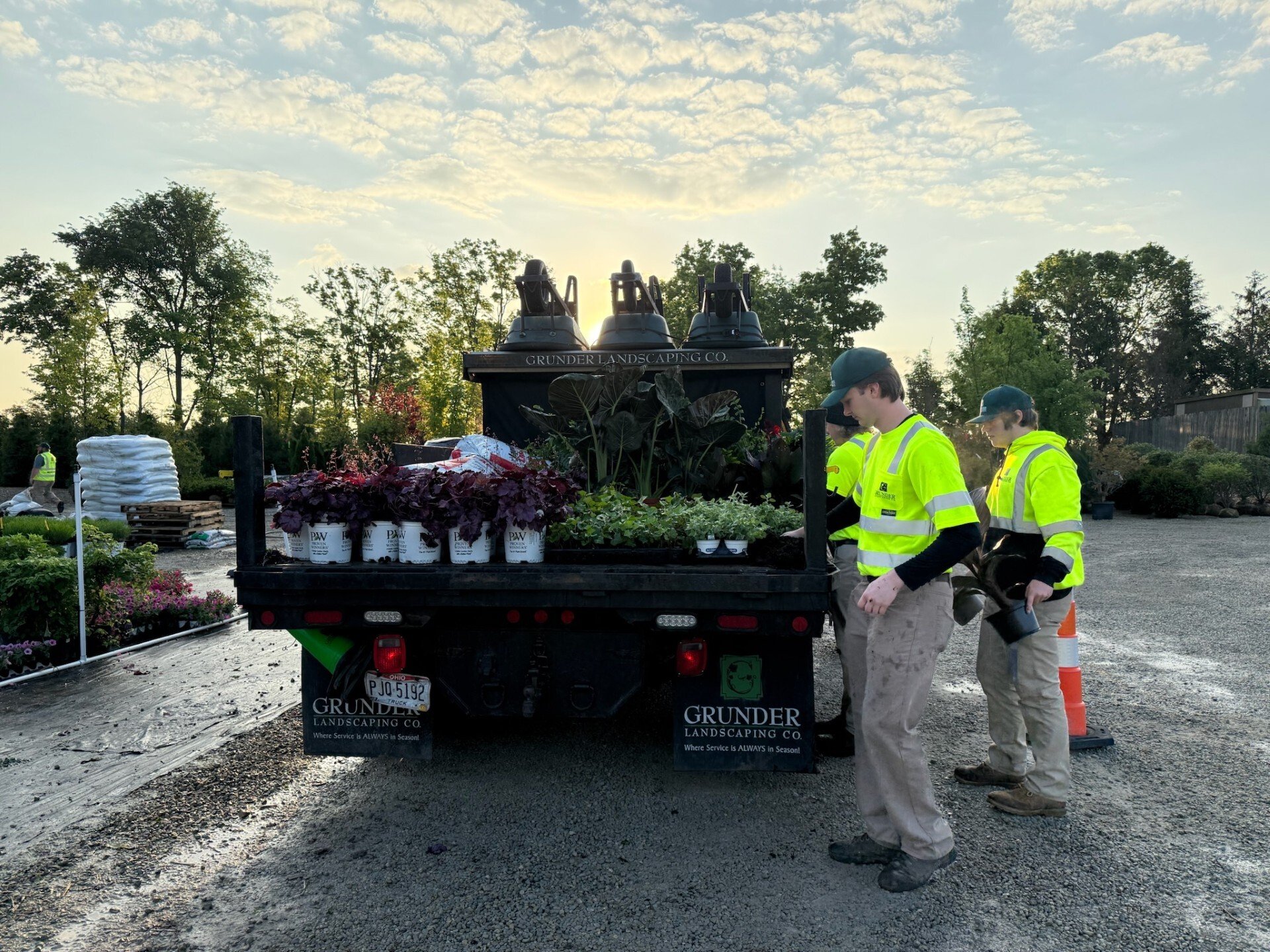
Route optimization is one of those operational levers that touches everything (profitability, crew performance, customer satisfaction, and long-term growth). Landscaping companies that treat their routes as a strategic asset find that the same number of crews can produce a lot more revenue simply by working smarter with where they spend their time. This article breaks down how to think about route optimization, why route density is non-negotiable to have an efficient operation, and how to grow in a way that makes routes tighter over time rather than more spread out.
What Spread-Out Routes Are Costing Your Landscaping Business
Every hour a crew spends driving between job sites is an hour that isn't generating revenue. Multiply that across multiple crews, five days a week, across an entire season, and the number gets big fast. Spread-out routes compound that problem in other ways, too:
- More vehicle wear and higher maintenance costs
- Crews arriving at jobs are fatigued from long drives
- Less margin for error when a job runs long or a customer needs a last-minute change
- Less operational visibility and fewer organic referrals from neighborhood presence
Route optimization is about converting that wasted time and cost into billable hours and stronger margins.
What Is Route Density and Why Does It Matter
Route density is the difference between driving all over town and running a tight, efficient operation. Some crews hit five or six jobs within a few square miles. Others drive across an entire county to do the same work. The gap in profitability between those two scenarios is huge.
Dense routes mean less drive time, lower fuel costs,  more jobs completed per day, and crews that aren't worn out before the afternoon.
When everyone is working within a defined zone, the schedule gets predictable and problems are easier to manage.
Route density also compounds over time. The more customers a landscaping company has in a given area, the easier it becomes to fill schedule gaps with new clients nearby, the more recognizable the brand gets in that neighborhood, and the more referrals start coming in without much effort at all.
How to Build Route Density for Your Landscaping Business
Route density is the result of intentional decisions about where to focus sales and marketing efforts. It starts with a clear picture of where customers already are.
Map Your Existing Customer Base First
Export customer addresses and visualize where clients are clustered. Most landscape business management software makes this easy. Those clusters are your foundation. The goal is to fill in gaps within existing zones before spreading into new ones.
Build a Referral Program That Works Geographically
When a satisfied customer refers a neighbor, that new client is already in the right location. A simple referral incentive (a service credit, a seasonal discount, a small gift) turns happy customers into a neighborhood sales force. One client on a street can become three or four with the right ask and a follow-up system.
Use Field Presence as a Marketing Tool
Landscaping marketing like yard signs at active job sites, door hangers on neighboring properties, and well-branded trucks in the area every week build name recognition where a company is already working. By the time a prospect is ready to hire, they've already seen that truck a dozen times. That familiarity drives conversions.
Reinforce with Targeted Neighborhood Marketing
Digital ads and direct mail focused on neighborhoods where a company already has clients reinforce field presence and make it easier to convert interest into new customers. Focusing spend on zip codes already in the route is usually enough to move the needle.
Every dollar spent deepening density in an existing zone goes further than the same dollar spent chasing a lead on the other side of town.
Should You Say No to Customers Outside Your Service Area?
The short answer is: not necessarily, but location should factor into the decision more than it usually does.
- Price outlier jobs to reflect their true cost. Account for the extra drive time, fuel, and scheduling complexity. If the customer accepts that price, the job is profitable on its own terms. If not, that's a clear answer.
- Be selective about where sales energy goes. Prioritize sales leads that fit within or adjacent to current service zones. That's not turning away growth, that's directing growth toward the places where it compounds rather than complicates.
- And keep the long view in mind. A single outlier customer accepted today can quietly anchor a route inefficiency for years. The decision deserves more thought than it usually gets.
When Is It Time to Expand to a New Service Area?
Expanding your landscaping business into a new area makes the most sense when it's a decision, not a drift. A lot of landscaping companies end up in new areas simply by saying yes to enough individual  customers over time, then one day realize they have a scattered collection of jobs spread across a region rather than a tightly built route.
A good signal that a new area is worth moving into is having two or three existing clients already in that geography. That's a foothold. From there, a targeted push (referral asks, door hangers, yard signs, digital ads) can turn that foothold into a real route. The companies that scale well tend to fully develop one zone before moving aggressively into the next.
Route Optimization Tips for Landscaping Crews Day to Day
Once the strategic foundation is in place, day-to-day execution comes down to a few practical disciplines:
- Group stops by geography, not signup order. Crews should finish in roughly the same area where they started, not zigzag across a service zone.
- Account for traffic patterns. Routing through high-traffic corridors during rush hour adds time that compounds across the week. Schedule around predictable congestion, especially near commercial properties.
- Build in buffer time. Jobs run long, customers have questions, equipment needs a moment. A modest buffer between stops keeps the day on track when something shifts.
- Use the right software. Route optimization tools with real-time GPS tracking, mobile app access for crews, and CRM integration make these disciplines easier to manage as the business scales. Run a trial with actual route data before committing to any platform.
How to Measure Route Efficiency
A few key metrics tell most of the story: miles driven per route per day, fuel costs week over week, and jobs completed per crew per day. Establish a baseline, then track those numbers as route changes are made.
Route efficiency isn't a one-time fix. Routes evolve as the customer base grows, new areas are added, and crew structures change. Treating it as an ongoing discipline, not a set-and-forget decision, is what makes the gains compound over time.

About The Grow Group
Led by Marty Grunder, The Grow Group is a premier coaching and education firm for landscape professionals. We provide innovative events like our annual GROW! Conference, peer groups, and real-world resources to help landscaping business owners and their teams succeed. Everything we teach is based on what we know works because we test it ourselves at our "living laboratory," Grunder Landscaping Company, the business Marty began as a teenager and still leads today.
We don't just share theories and ideas. We share tactics we used at our own landscaping company this week that we know still work. Our team brings more than 95 years of combined field experience to everything we do. Whether you're trying to grow your landscaping business or get better control over it, we can help get you where you want to go.
Not sure where to start? Sign up for our weekly Great Idea to get free strategies, tips, and tactics for running your landscaping company delivered to your inbox each Sunday. Listen to episodes of The Grow Show podcast for practical advice you can implement right away.